



Conference on " the Construction of International Law Theory and Multilateral Economic Rules in a Changing Epoch" Successfully Held
Date:2025-05-20
From April 22 to 23, 2025, the Conference on "The Construction of International Law Theory and Multilateral Economic Rules in a Changing Epoch" hosted by Peking University Law School (PKULS) was successfully held in Beijing. The conference consisted of four main sessions and a midday side event: the first session focused on the latest trends of critical international law theory in the era of transformation; the second covered the modernization reform of multilateral trade rules; the third focused on the reform and innovation trends of the WTO dispute settlement mechanism and international investment dispute settlement mechanism; the midday side event centered on the impact and practical responses to unilateral measures such as tariffs and export controls against the backdrop of trade wars. Distinguished scholars and legal practitioners in the fields of international law and international economic law from the United States, Ireland, Finland, South Africa, Hong Kong of China and other regions attended the conference. The opening ceremony was hosted by Prof. Guo Li, Dean of PKULS.
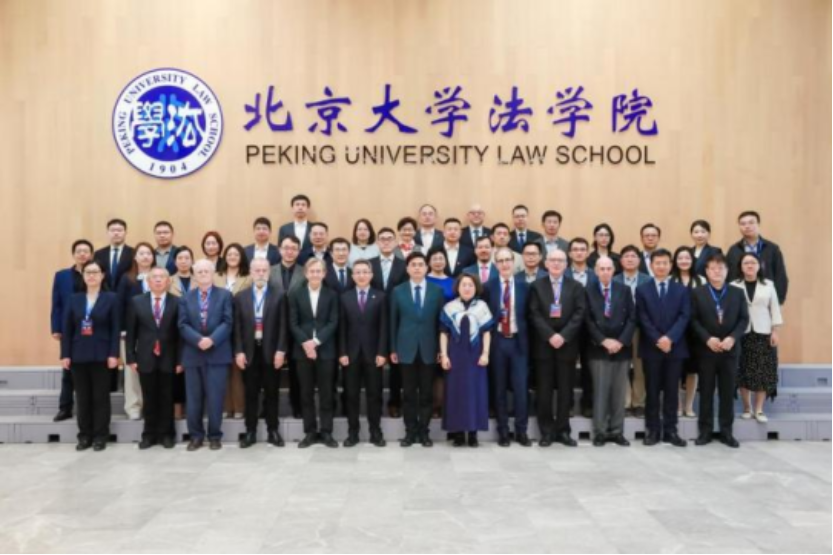
Prof. Fang Fang, Member of the Standing Committee of the Party Committee and Vice President of Peking University, attended the conference and delivered a speech. He stated that the conference, held against the backdrop of the accelerated evolution of the international landscape, the restructuring of the global economic order, the failure of multilateral governance mechanisms, and the serious lack of international discourse power of emerging countries, reflects Peking University's sense of mission in actively implementing the global governance concept of extensive consultation, joint contribution and shared benefits, and is of great significance. He emphasized that discipline construction should be aligned with national strategies and global governance dynamics, and that the advantages of academic traditions should be fully leveraged to promote high-level domestic and international academic exchanges, cooperation and research, and drive theoretical innovation and breakthroughs. He expressed expectations for fruitful academic achievements from the conference.
In her opening speech, Prof. Zhao Hong from PKULS pointed out that at a time when international law is facing numerous challenges and the international order is in a state of imbalance and transformation, international law scholars have the responsibility to respond and actively explore how international law theory can address the changes in the future international order. Centering on the historical background of the 80th anniversary of the founding of the United Nations and combining the views of critical international law scholars, she put forward nine controversial questions on how contemporary international law can play its role: the impact of whether international law is regarded as a philosophy or a legal profession on the current crisis, whether international law can transcend the fate of being manipulated by power and how to face the reality that the international community may move towards the law of the jungle, how international law can play a constructive role in the era of turbulent transformation, the deep-seated reasons for the hostile thinking between countries, what the ideological foundation of the international order will be after the decline of neoliberalism, whether concepts such as the international community will play a greater role, how to promote cross-civilization dialogue based on mutual respect and peaceful coexistence, what impact the philosophical shift from subjectivity to intersubjectivity will have on the new civilization dialogue, and where the future international order is heading.
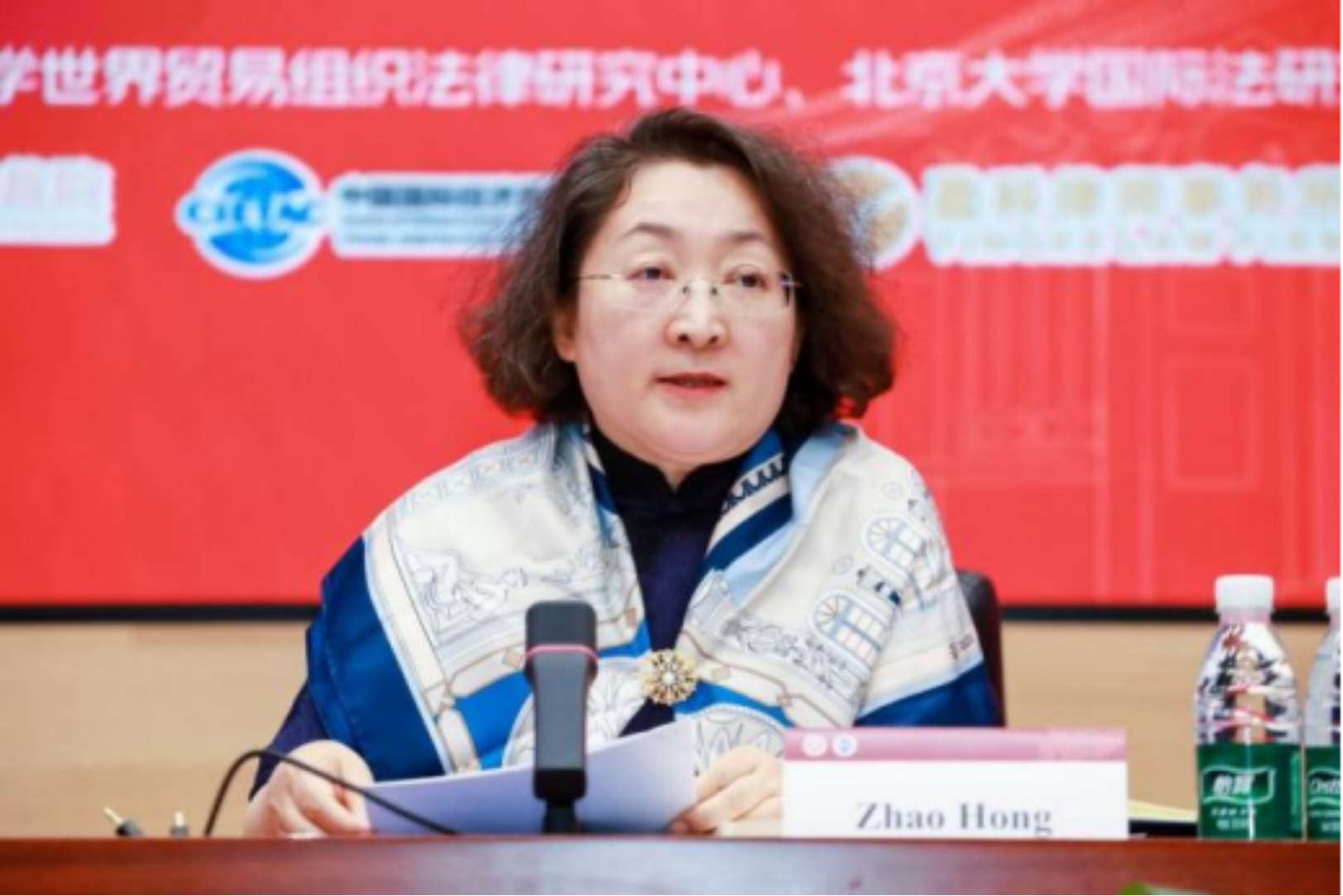
[Prof. Zhao Hong hosting the first session of the conference]
The first session of the conference, themed "The Construction of International Law Theory in a Transitional Order: Philosophical, Critical and Cross-Civilizational Perspectives", was hosted by Prof. Zhao Hong. Prof. David Kennedy from Harvard Law School, Prof. Martti Koskenniemi, Academician of the Finnish Academy of Sciences and Professor of the University of Helsinki, Prof. Anthony Carty, Visiting Scholar at PKULS, Prof. Zhang Naigen and Prof. Cai Congyan from Fudan University Law School, and Prof. Zhao Tingyang, Member of the Academic Division of the Chinese Academy of Social Sciences, delivered keynote speeches.
Prof. David Kennedy's speech was titled "Global Legality: Critical Reflections". From a critical legal studies perspective, he reflected on the concept of legality. He argued that the current discourse system of legality is established against the backdrop of U.S. diplomacy dominating the world, and most of the time serves as a tool for power games. The international law framework reflects a hierarchical power system, which leads to and consolidates the unequal structure of the international community. On this basis, Prof. Kennedy reflected on the universality of the legality of international law from a historical narrative perspective, believing that universality is a product of diverse practices and cannot be considered universal just because it was born in the West. Therefore, we need to be vigilant against the universalist narrative of North Atlantic centrism.
Prof. Martti Koskenniemi delivered a speech titled "The Law of an International Society—Reflections on the Concept of the ‘Social’ in International Law". He pointed out that the understanding of justice and order varies from person to person. Drawing on anthropological research methods and the concepts of French anthropologist Claude Lévi-Strauss, he explained the value of practical experience in addressing injustice and disorder. When practitioners face injustice and disorder, they will respond to and reflect on such issues, and the most specific and reasonable form of international law is jointly composed of such practices. He emphasized that law should be combined with practice, and only when legal professionals exchange their valuable experiences through dialogue can they promote the communication of different understandings of justice and order.
Prof. Anthony Carty spoke on the topic "International Law and Post-Truth". He believed that international law has fallen into functional dysfunction in the "post-truth era", where countries' superficial practices often contradict their true will. International law research based on countries' superficial statements cannot respond to real international law issues nor truly influence international affairs. At present, people need to strengthen their perception of the world, explore the essence of the division of the international community, and seek countermeasures to get rid of the current out-of-control situation among different philosophical thoughts.
Prof. Zhang Naigen's speech was titled "Critical Analysis on Intercivilizational Perspective of International Law". Focusing on the cross-civilizational perspective of international law, he reviewed the history of China's tribute system and criticized the view of Japanese scholar Yasuaki Onuma that the Sino-Japanese War of 1894-1895 marked the birth of global international law. On this basis, Prof. Zhang discussed in detail the dualistic cognition of general international law born in Europe, and further explained China's positive contributions to international law and its position of having no intention of hegemony.
Prof. Cai Congyan delivered a speech titled "Innovative Transformation: Whether Should Western and Chinese International Lawyers Rethink Their Civilizations and How?". He analyzed the debate between Prof. David Kennedy and Prof. Martti Koskenniemi on the philosophical nature of international law, and pointed out that the world view of the dual division of enemies and friends between the East and the West has led to negative evaluations of China's rise. Prof. Cai further pointed out that the old international law constructed by Western countries cannot solve the problems existing in the new world. The understanding of Chinese civilization should return to a philosophical perspective, and he looked forward to the possibility of international law scholars embedding the innovative transformation concept of "Tianxia" (the world) into modern international law governance.
Prof. Zhao Tingyang gave a speech titled "The Changing of the Concept of Power". He analyzed the current types of international games and believed that the current international game rules will lead countries into a vicious circle of prisoner's dilemma, so the international game rules must be changed. Prof. Zhao believed that a new concept of politics is needed, namely the politics of turning enemies into friends. The traditional concept of confrontational politics is essentially war. If politics has functions different from war, it must be implemented into institutions that turn enemies into friends. The cosmological Tianxia system defines a new universalism, which is based on three constitutional principles: the internalization of the world, the priority of relational rationality over individual rationality, and Confucian improvement superior to Pareto improvement. Prof. Zhao also believed that "Tianxia" needs an upgraded version of the "Golden Rule of Morality", replacing the traditional format of "Do not do to others what you do not want done to yourself" with "Do not impose on others what they do not want", which is in line with the ethical relations of the future world.
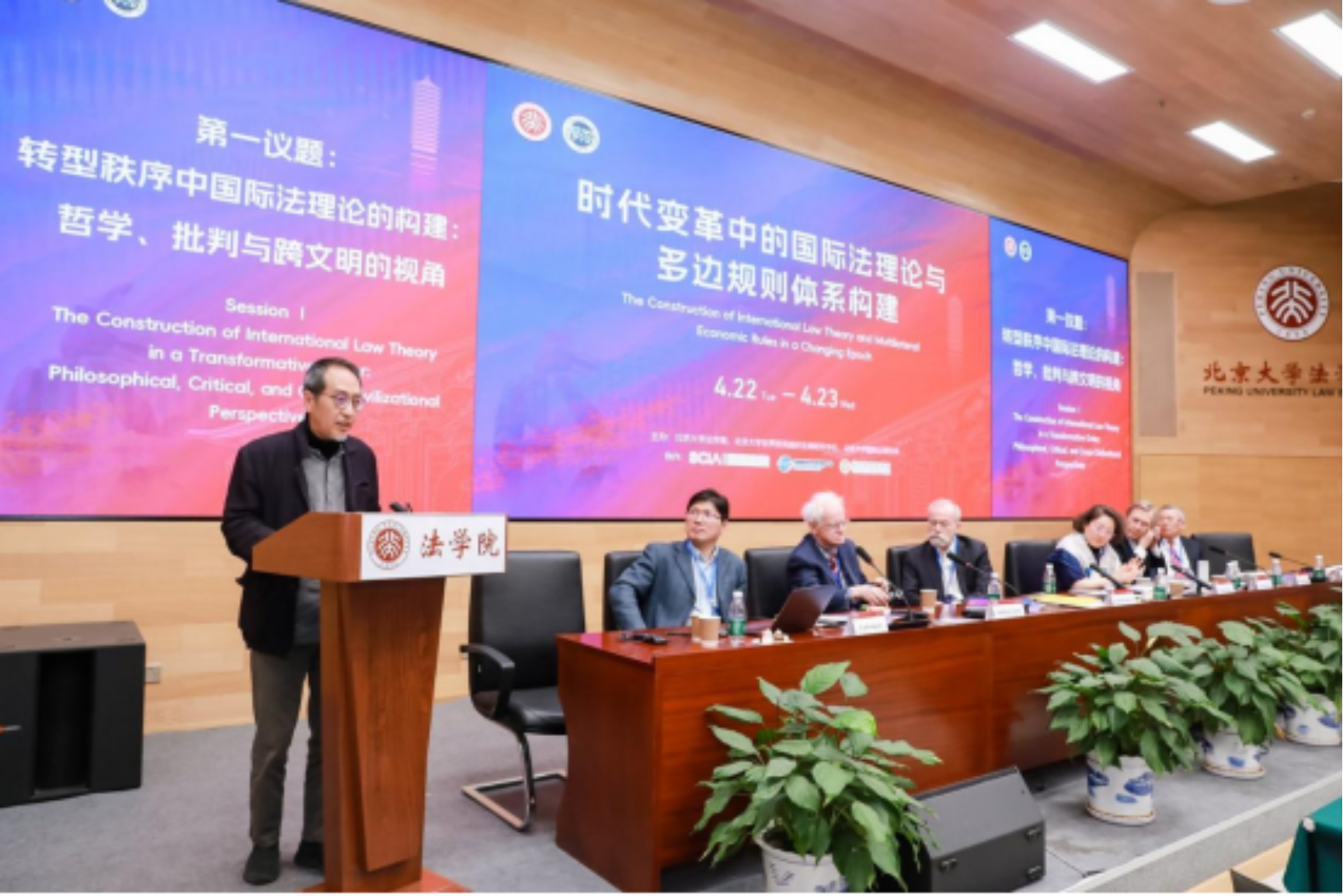
As discussants, Prof. Wang Jiangyu from City University of Hong Kong, A.P. Chen Yifeng, Dr. Zhang Kangle and Dr. Chen Xiaohang from PKULS participated in the discussion.
Prof. Wang Jiangyu highly praised the critical international law perspective provided by the conference. On the basis of agreeing with the views of the speakers, he put forward more in-depth questions to the speakers from the perspectives of the value and research methods of critical international law and China's potential contributions to the development of international law.
A.P. Chen Yifeng pointed out that carrying out critical international law research is of important practical significance. Critical research should focus on the value concept and pursuit of equality. At the same time, in view of the impact of the integration of emerging technologies and legal traditions, legal traditional forms should be integrated into the regulation of emerging technologies.
Dr. Zhang Kangle expressed his agreement with the speakers' views. He believed that international law does not necessarily represent order and justice, but a set of legal discourses around fairness, justice and interests. Taking the dispute between the United States and Cambodia over "odious debts" as an example, he proposed that international legal norms, on the one hand, cause debt distress and odious debts, and on the other hand, provide a tool to argue for the cancellation of odious debts or debt-for-aid swaps.
Dr. Chen Xiaohang believed that mainstream international law historiography at this stage mainly studies the disciplinary history of international law, but pays insufficient attention to figures, texts and networks outside the traditional framework of international law studies. He proposed that there are different branches in the international law network, such as pacifist internationalism and legal internationalism. Taking the different professional networks of the International Law Association and the Institute of International Law as examples, he illustrated that the history of international law has different complex aspects. Therefore, it is necessary to break the disciplinary barriers of international law that have existed in history and embrace more open academic discussions.
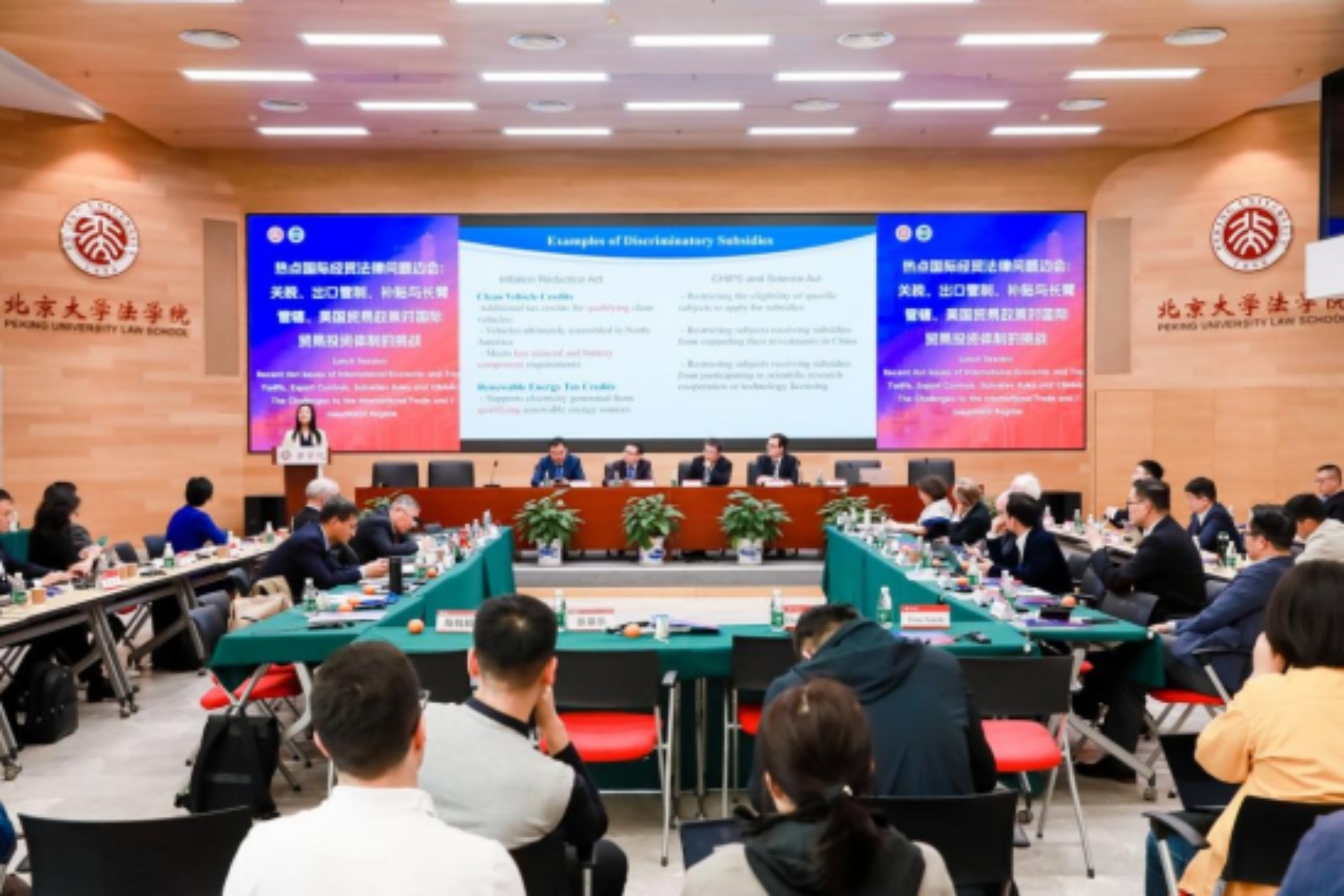
The midday side event on hot international economic and trade legal issues, themed "U.S. Trade Policies such as Tariffs, Export Controls, Subsidies and Long-Arm Jurisdiction: Challenges to the International Trade and Investment System", was hosted by Prof. Ji Wenhua from University of International Business and Economics (UIBE) Law School. Ren Qing, Partner of Global Law Office, Guan Jian, Director of Guangwen Law Firm, Marcus Ramalho, Counselor of the Embassy of Brazil in China, and A.P. Ding Ru, Deputy Director of the Academic Affairs Office of China University of Political Science and Law (CUPL), delivered keynote speeches.
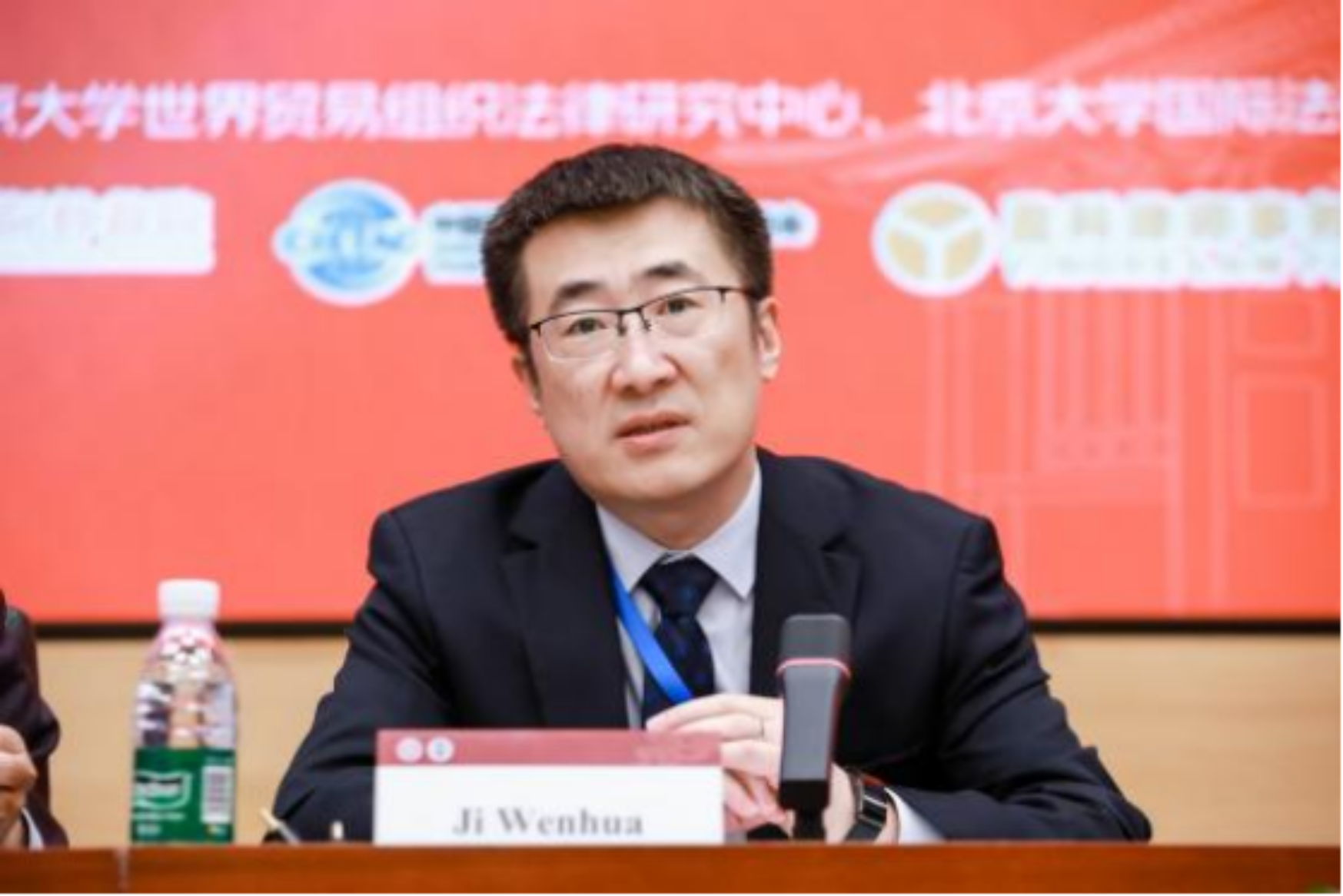
[Scene of the midday side event on hot international economic and trade legal issues]
In his speech titled "US Export Controls under Trump: First 100 Days", Lawyer Ren Qing analyzed in detail the development trend of the Trump administration's export control policies. Compared with the Biden administration, the Trump administration's export control measures attach more importance to China's semiconductor, quantum computing and other technical fields. Unlike the previous "small yard, high fence" approach, the control rules have gradually simplified and law enforcement has been continuously strengthened. Lawyer Ren emphasized that the scope and intensity of U.S. control over Chinese technology will continue to expand and increase in the future, and Chinese enterprises need to prepare for more extensive export controls.
Lawyer Guan Jian's speech was titled "Several Observations On 301 Investigation On China's Shipping Sectors". He pointed out that the U.S. shipping industry had already fallen into difficulties before China's rise. Relevant U.S. measures will disrupt the global logistics system, significantly increase freight costs, and fail to achieve the goal of protecting its shipbuilding industry. In addition, relevant U.S. measures lack factual basis and may violate the WTO Most-Favored-Nation Treatment principle.
On his own behalf, Marcus Ramalho, Counselor of the Embassy of Brazil in China, delivered a speech titled "The European Union's CBAM versus the Paris Agreement". He believed that the EU Carbon Border Adjustment Mechanism (CBAM) is essentially an act of unilateralism, which violates the spirit of the Paris Agreement. In the name of preventing carbon leakage, this mechanism unilaterally requires third countries' carbon prices to be anchored to the EU's, ignoring the nationally determined contributions and the diversity of emission reduction paths of various countries, which may exacerbate trade injustice, especially impacting developing countries. Differences in carbon prices do not mean insufficient ambition for emission reduction, and the EU should respect the "common but differentiated responsibilities" principle of the Paris Agreement.
In her speech titled "Industrial Subsidy Competition and Rule Reform in the Context of Trade Wars", A.P. Ding Ru discussed the issue of discriminatory subsidies in detail. She systematically sorted out the disputes caused by discriminatory subsidy policies such as the Inflation Reduction Act, divided discriminatory subsidies into four categories on this basis, and analyzed the application and dilemmas of current WTO rules. Based on existing cases and treaty-making history, she believed that discriminatory subsidy measures violate the non-discrimination obligation and cannot be exempted. China should actively challenge such subsidies within the WTO framework and promote the reform of relevant international rules.
The second session of the conference, themed "Shocks and Reform Development of the Multilateral Trading System", was hosted by Prof. Li Juqian, Dean of the International Law School of CUPL. David Unterhalter, Former Member and Chair of the WTO Appellate Body and Justice of the Supreme Court of Appeal of South Africa, Peter Van den Bossche, Former Member of the WTO Appellate Body and Chair Professor of Xi'an Jiaotong University, Peter Malanczuk, Member of the Academic Advisory Board of Heidelberg University, Adjunct Professor of the University of Hong Kong Law School and Director of the Shenzhen Court of International Arbitration, Zhao Hong, Former Member and Chair of the WTO Appellate Body, Director of the Peking University WTO Law Research Center, Director of the Shenzhen Court of International Arbitration and Professor of PKULS, and Tu Xinquan, Director and Professor of the China WTO Research Institute of UIBE, delivered keynote speeches.
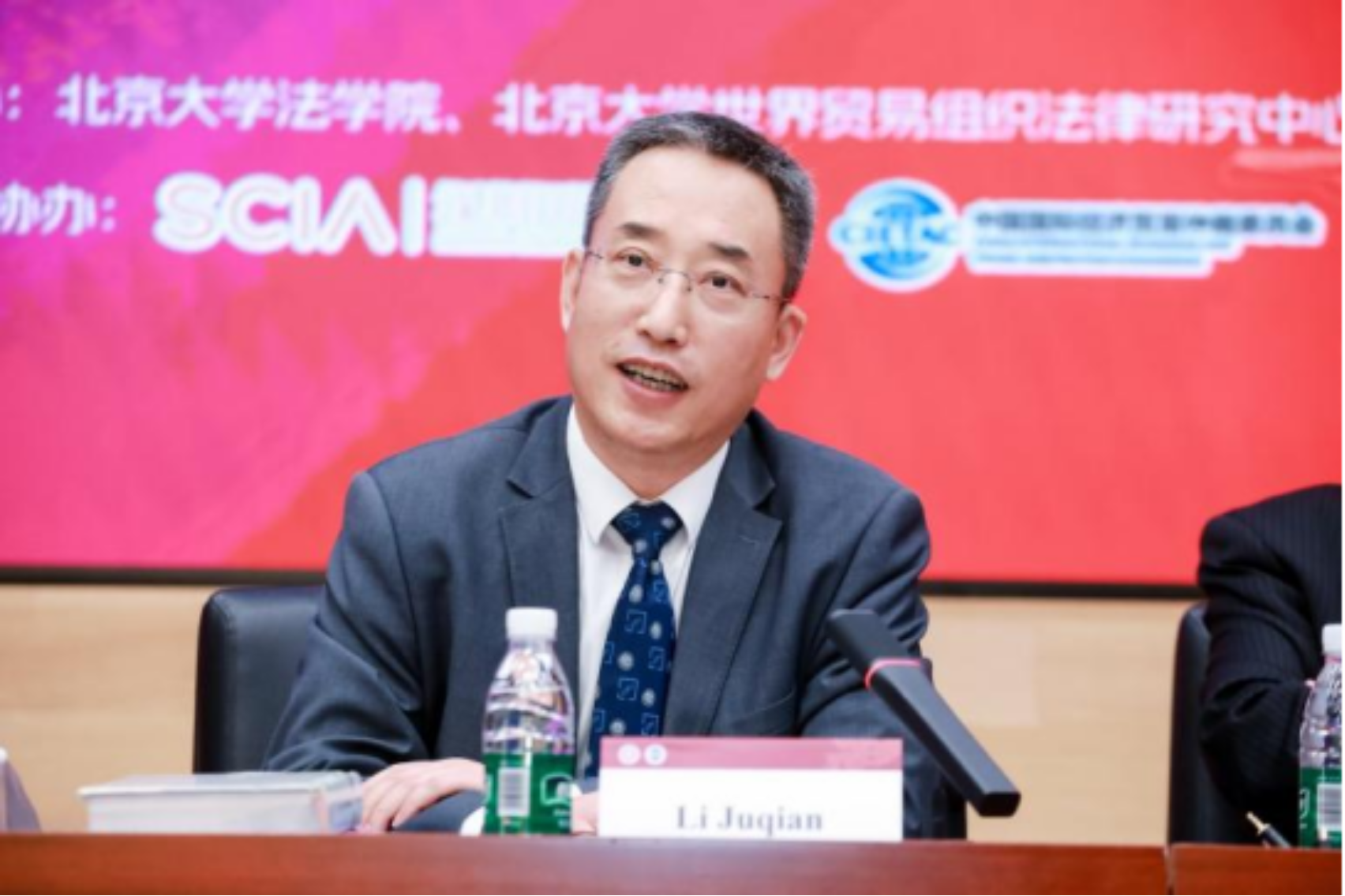
[Prof. Li Juqian hosting the second session of the conference]
Justice David Unterhalter delivered a speech titled "What Future for the WTO in a Multi-Polar World". He reviewed the contributions made by the multilateral system based on post-war rules to global economic prosperity and the current unilateralist challenges faced by the WTO due to its own problems. Justice Unterhalter emphasized that unilateralism will destroy the current rule system, leading to the "slow death" of the WTO. He pointed out that new issues such as climate change, digital trade and artificial intelligence have further highlighted the necessity of multilateral cooperation. At present, existing rules need to be flexibly adjusted, and more exceptions and exemptions should be introduced to build consensus among members.
Prof. Peter Van den Bossche's speech was titled "In Search of a New Consensus on WTO Consensus Decision-Making". He focused on the "consensus dilemma" in the WTO decision-making mechanism and criticized a few members for abusing the consensus principle to hinder the normal operation of the WTO. Subsequently, Prof. Bossche reviewed the reform proposal of "responsible consensus" put forward by Singapore and the detailed plan of China for this proposal. He then proposed that the definition of "responsible consensus" should be improved by adding procedural requirements, and procedural and substantive decisions should be distinguished. For example, in procedural issues such as the election of chairs and moderators, the method of responsible inclusion or tolerance and responsible consensus should be adopted for decision-making. The consensus issue determines the survival of the WTO, and whether all parties can make breakthroughs on the consensus issue will be a long-term topic in the future.
In his speech titled "The WTO as a Future ITO? - Exploring the Integration of Investment and Competition Policy into its Mandate", Prof. Peter Malanczuk explored the possibility of the WTO transforming into an International Trade Organization (ITO) in the future. He reviewed the efforts of various parties to overcome the fragmentation of the international investment legal system and promote multilateralization, and examined the possibilities and obstacles of incorporating investment and competition issues into the jurisdiction of the WTO. The Australia Tobacco Plain Packaging case and recent U.S. tariff measures show that investment and trade measures may lead to parallel proceedings and trigger the problem of forum shopping. Prof. Malanczuk also looked forward to the impact of mega regional trade agreements on competition and investment policies, and pointed out that if investment and competition issues are to be included in the WTO reform process, structural issues at the rule level such as the dispute settlement mechanism must be properly addressed.
Prof. Zhao Hong's speech was titled "Transformation of International Trade Order and its Future". She first reviewed the evolution and development of the global economic and trade system from a historical perspective, affirmed the positive role of the post-war "troika" of the World Bank, the WTO and the International Monetary Fund, and pointed out the "Triffin Dilemma" faced by the international monetary system centered on the U.S. dollar. The root cause of trade imbalance lies in cross-border investment, financial liberalization and the Triffin dilemma of the U.S. dollar as the world's reserve currency. The transformation of the future economic pattern requires the joint efforts of the "troika" of investment, finance and trade. She reviewed Keynes' plan to build a global central bank and a global currency "Banco", and looked forward to the impact of digital currency on the future world economic and trade order. Finally, she called on the international community to abandon the zero-sum game mindset and promote inclusive development with the concept of "a community with a shared future for mankind", so as to make existing international law a good law and good governance that guarantees fairness and justice.
Prof. Tu Xinquan's speech was titled "Reciprocal Tariffs vs. Reciprocal Trade Agreements: Which will Win?". He believed that the multilateral trading system constructed by the United States after World War II has spawned emerging competitors and promoted economic prosperity, but the United States often adopts unilateral measures to suppress the development of emerging economies to maintain its hegemony. In the past, the United States restricted Japan's strategic industries such as semiconductors through export restrictions and industrial suppression, which is highly similar to the current trade war logic against China. The Trump administration launched a comprehensive tariff war aimed at curbing China's development speed. Compared with the U.S.-Japan conflict, the China-U.S. confrontation is more systemic. In response, he proposed that to cope with the impact of U.S. unilateralism, China should strengthen the domestic circulation, deepen multilateral cooperation, and avoid the negative impact of the "decoupling spiral".
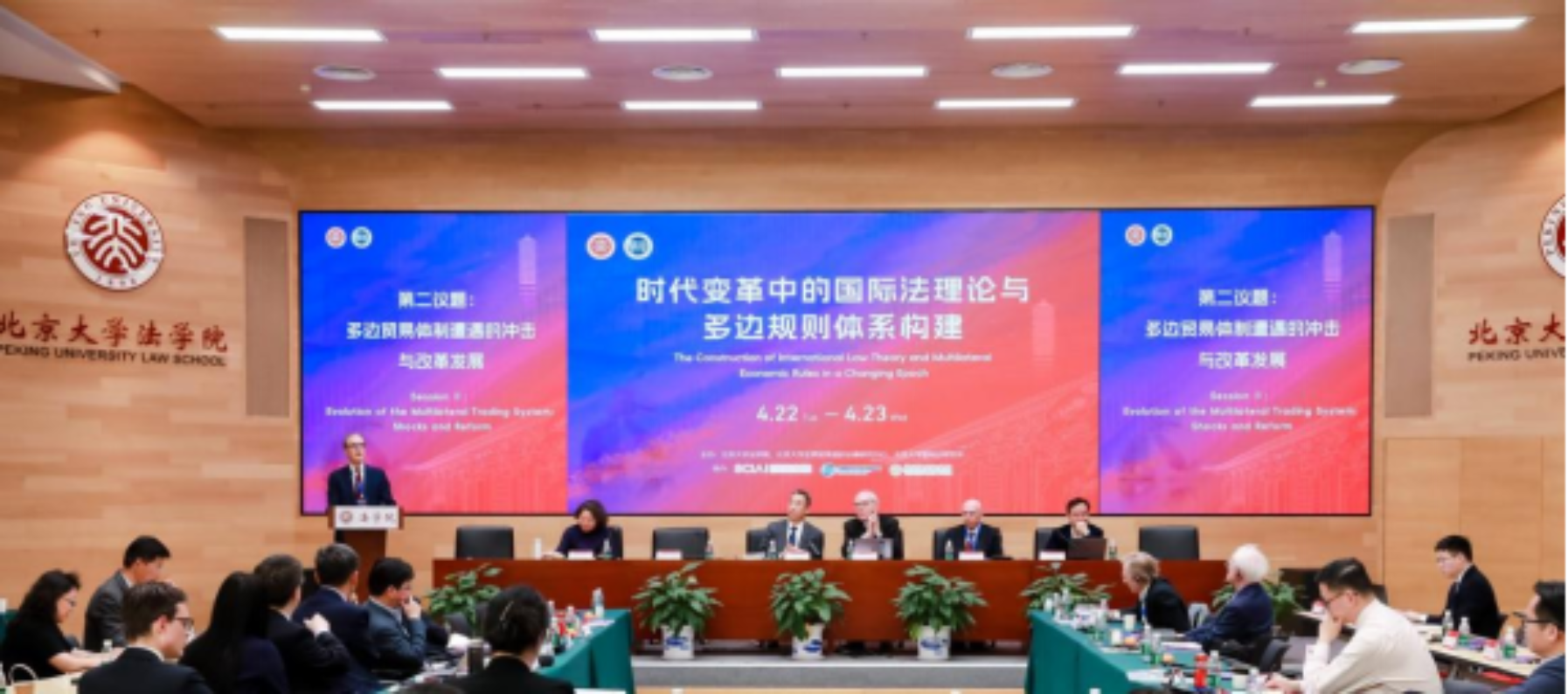
[Scene of the second session of the conference]
As discussants, Prof. Han Liyu, Wuyuzhang Chair Professor of Renmin University of China, Prof. Shen Wei from KoGuan Law School of Shanghai Jiao Tong University, and A.P. Kwan Man-wai from City University of Hong Kong Law School delivered speeches.
Prof. Han Liyu sorted out and summarized the discussions between Prof. Peter Van den Bossche and Prof. Anthony Martti, Prof. John Jackson, Prof. Petros Mavroidis and other Appellate Body members on the advantages and disadvantages of the appellate mechanism. He believed that the paralysis of the appellate mechanism has made it impossible for members to obtain effective legal remedies, and all parties should reach a consensus on the dispute settlement mechanism as soon as possible.
Prof. Shen Wei believed that the core of current problems lies in power imbalance, zero-sum game and lack of fairness. A large number of politicians and diplomats hold a zero-sum game mindset, which is not conducive to international cooperation. At the same time, the trade deficit, excessive financialization, supply chain and other security issues faced by Western countries do not mean a lack of fairness. These issues can be solved through tariff adjustments or good faith legal interpretation.
A.P. Kwan Man-wai expressed his support for the existing multilateral system and his concern about the prevalence of unilateralism today. He believed that on the one hand, unilateralism cannot bring fairness, and tariff negotiations enforced in a unilateral form, if widely accepted or even formed into customary law, will ultimately damage multilateral rules; on the other hand, member states that condone unilateral acts may set corresponding precedents, which may affect their future right to remedies. The WTO has a broad consensus foundation and has made tremendous contributions to world trade. Although it is currently facing obstacles, all parties can actively adapt to relevant changes in the future and ultimately promote its return to normal operation.
The third session of the conference, themed "Rules, Jurisprudence and Reform of International Economic and Trade Dispute Settlement Mechanisms in Turbulent Times", was hosted by Prof. Peter Malanczuk, Member of the Academic Advisory Board of Heidelberg University, Adjunct Professor of the University of Hong Kong Law School and Director of the Shenzhen Court of International Arbitration. David Unterhalter, Former Member of the WTO Appellate Body and Former Justice of the Constitutional Court of South Africa, Peter Van den Bossche, Former Member and Chair of the WTO Appellate Body and Chair Professor of Xi'an Jiaotong University, Teresa Cheng, Co-Chair of the Asian International Law Institute, Former Secretary for Justice of the Hong Kong Special Administrative Region and Adjunct Professor of Tsinghua University Law School, Zhang Yuejiao, Professor of Tsinghua University Law School, Yang Lei, Second-Class Senior Judge of the International Commercial Court of the Supreme People's Court of the People's Republic of China, Xie Changqing, Vice President of the China International Economic and Trade Arbitration Commission (CIETAC) Arbitration Court, and Zuo Haicong, Professor of UIBE Law School, delivered keynote speeches.
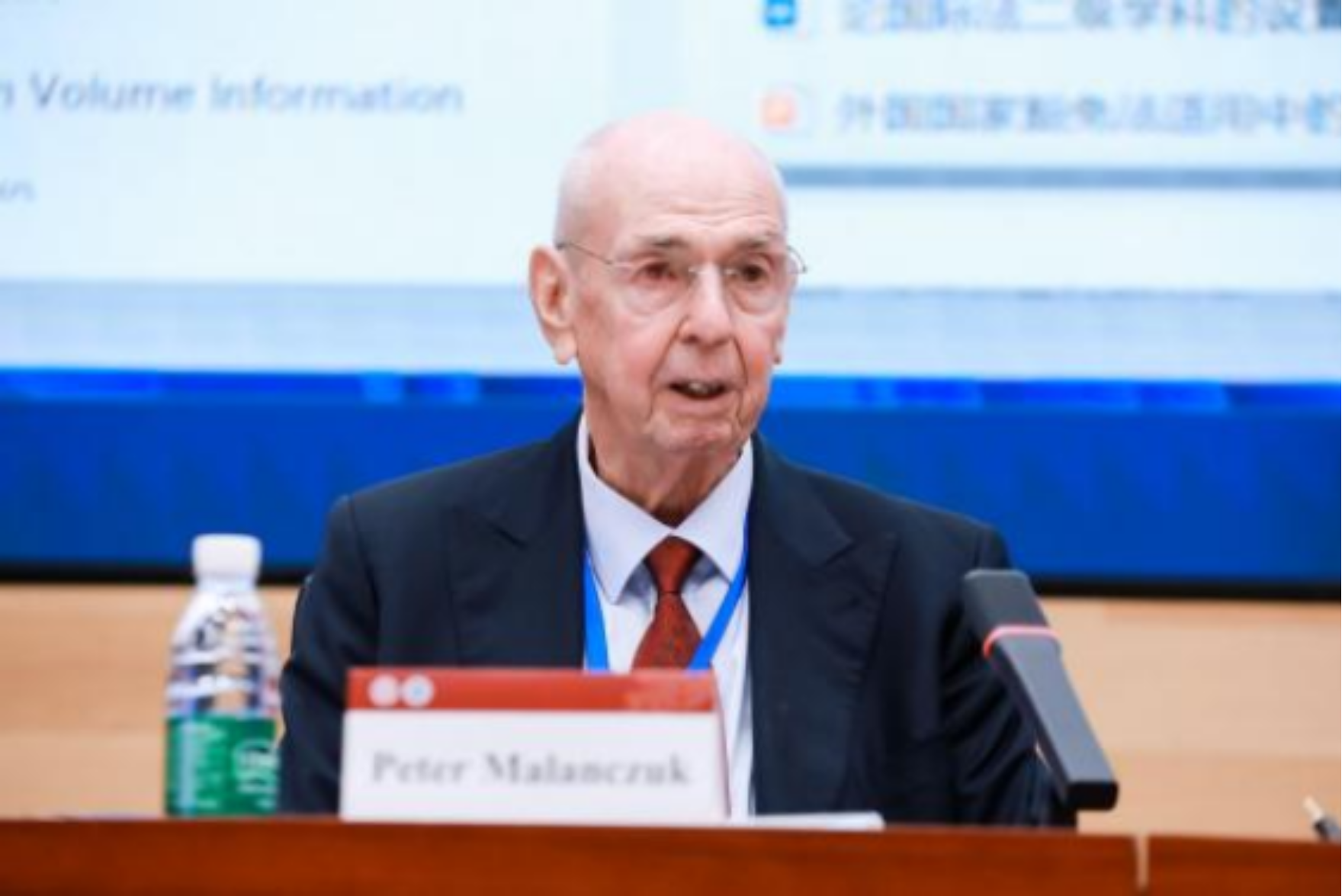
[Prof. Peter Malanczuk hosting the third session of the conference]
Justice David Unterhalter delivered a speech titled "Is Optionality Of Different Dispute Resolution Mechanisms The Way Forward?". He stated that the obstruction by the United States has rendered the WTO dispute settlement function virtually ineffective. To preserve its unique value, alternative schemes for the WTO dispute settlement mechanism can be considered, such as providing members with diverse dispute resolution approaches and establishing an appellate review model, so as to provide more flexibility for all parties, attract the participation of various member states, build consensus among all parties, and prevent individual members from completely overthrowing the existing WTO dispute settlement mechanism.
Prof. Peter Van den Bossche delivered a speech titled "Building Back Better? The Uncertain Future of WTO Dispute Settlement". He affirmed the contributions of the Molina Process in the composition of panelists and Appellate Body members, transparency, and procedural simplification, and pointed out its limitations in catering to U.S. wishes. The process ultimately stalled due to joint opposition from developing countries and the fluctuating attitude of the United States. Prof. Bossche particularly pointed out that the Trump administration has brought more uncertainty to WTO dispute settlement. At present, all parties should maintain the MPIA mechanism as much as possible, and expect this mechanism to transform from a temporary mechanism to a permanent one and play a greater role in the future.
Prof. Teresa Cheng delivered a keynote speech titled "The Potentials of Mediation". From both historical and contemporary practical perspectives, she explained the great role of mediation in resolving various disputes. Mediation emphasizes autonomy of will and confidentiality, and encourages open communication between parties, with advantages such as maintaining cooperative relations between disputing parties, resolving potential disputes, and high controllability. Prof. Cheng pointed out that the convention on the establishment of the "International Mediation Institute" led by China and participated by many countries is expected to be signed and enter into force soon, which will play a positive role in promoting mediation as a dispute resolution method for resolving commercial disputes between countries and between investors and host countries.
Prof. Zhang Yuejiao emphasized the importance of the dispute settlement mechanism and pointed out that the current reform of the dispute settlement mechanism is facing various challenges such as the lack of willingness of various countries, long decision-making cycles, the fragmentation of international law, and the ambiguity of key concepts. She stated that attention should be paid to the training of professional talents in the dispute settlement mechanism, as well as the control of dispute settlement costs and cross-cultural and cross-country exchanges and capacity building.
Judge Yang Lei delivered a speech titled "The Practice of Chinese Courts in Resolving International Commercial Disputes". From the perspective of front-line court trials, she shared the innovative measures taken by Chinese courts in handling foreign-related cases, including jurisdiction coordination, judicial assistance, the establishment of a one-stop dispute resolution platform, and facilitating the enforcement of foreign judgments and awards. Judge Yang expressed her willingness to cooperate with all parties to build a high-level international commercial dispute resolution platform.
Vice President Xie Changqing delivered a speech titled "Innovation and Improvement in the Rules and Practices of CIETAC in an Era of Change". He explained the characteristics and advantages of CIETAC from the perspectives of the advanced nature of CIETAC's arbitration rules, party autonomy, building a world-class international arbitrator team, promoting the integration of Chinese and Western arbitration systems, and arbitration efficiency. Vice President Xie stated that as an important part of international arbitration, China's arbitration work should respond to the changes of the times, adapt to the diverse needs of international arbitration parties, and continuously enhance its international influence.
Prof. Zuo Haicong delivered a speech titled "Reform of the WTO Appellate Procedure under the Modular Approach". He proposed promoting the reform of the WTO appellate procedure in a modular manner. At present, the mode selection of the RCEP service trade schedule, the module selection of DEPA, and the ISDS mechanism reform selection have provided experience for the modular reform of the WTO. All parties can choose the mechanisms they wish to apply according to different interest demands. This modular approach can also be applied to the five major schemes for WTO dispute settlement reform, forming a flexible reform path for the WTO dispute settlement mechanism to solve the current stalemate of the appellate mechanism. Finally, Prof. Zuo proposed that the modular scheme can bridge differences and promote the compatible development of all parties.
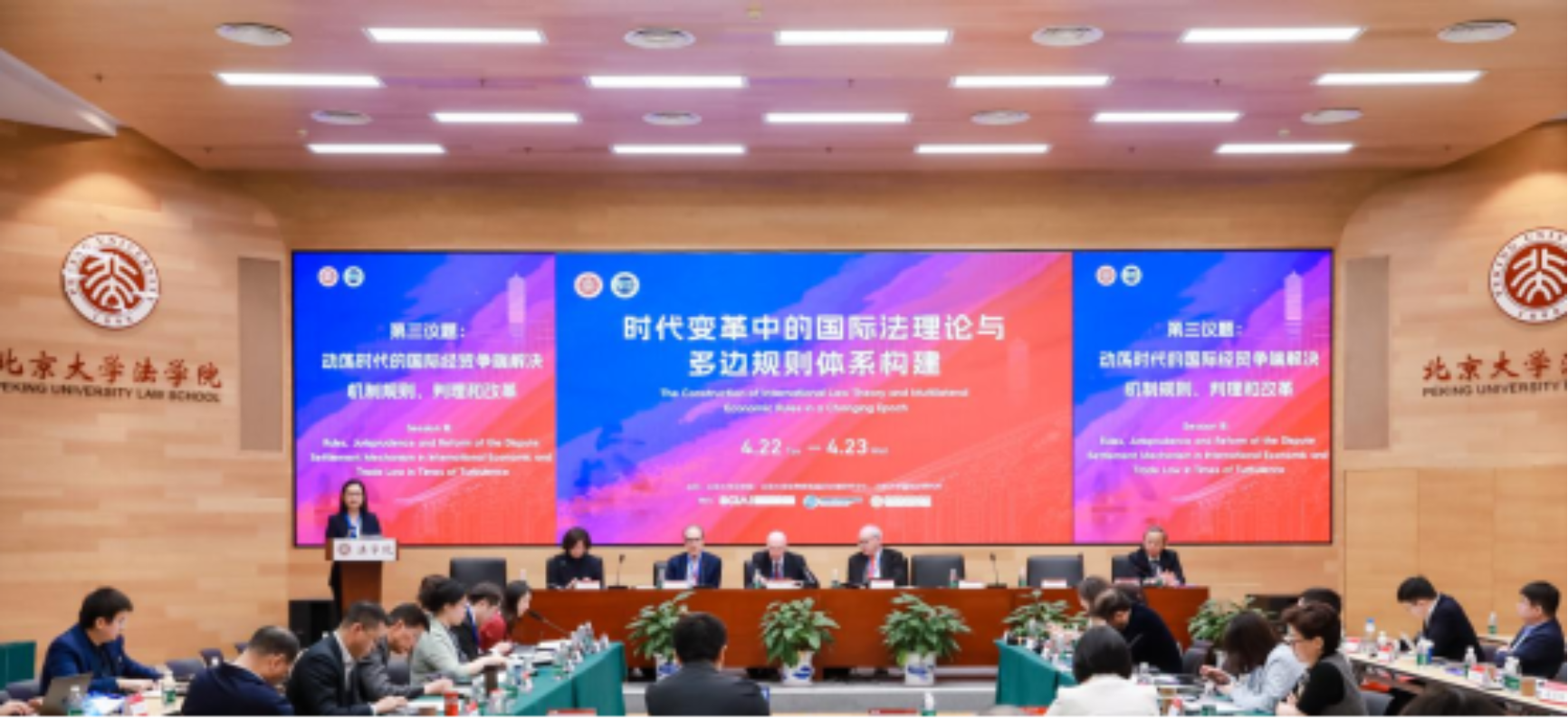
[Scene of the third session of the conference]
As discussants, Sun Zhao, Director of the Investment Law Division of the Department of Treaty and Law of the Ministry of Commerce, Prof. Ji Wenhua from UIBE Law School, and Marcus Ramalho, Legal Counselor of the Embassy of Brazil in China, delivered speeches.
Director Sun Zhao believed that the current dilemma is mainly due to the conflict between the liberal international governance model and the realist economic and trade policies pursued by various countries at present. From a practical perspective, multilateral or plurilateral arrangements are of certain value at present. For example, the reform of the investment dispute settlement mechanism under the United Nations Commission on International Trade Law (UNCITRAL) avoids difficult and sensitive issues, focuses on procedures, and adopts a more flexible treaty structure, accession and operation methods.
Based on his work experience in the WTO, Mr. Marcus Ramalho believed that on the one hand, the current reform of dispute settlement revolves around U.S. interests and its views, and some members have adopted positions similar to those of the United States in the Molina Process. On the other hand, the United States has little interest in restoring the dispute settlement mechanism. At present, the United States' participation in the reform should be ensured to avoid potential legitimacy risks.
Prof. Ji Wenhua pointed out that the application and innovation of dispute settlement methods require flexibility and creativity, and China is very likely to become a new highland for international dispute settlement in the future. He expressed expectations that Chinese arbitration institutions can further enhance their attractiveness and make new contributions to arbitration, mediation and other undertakings.
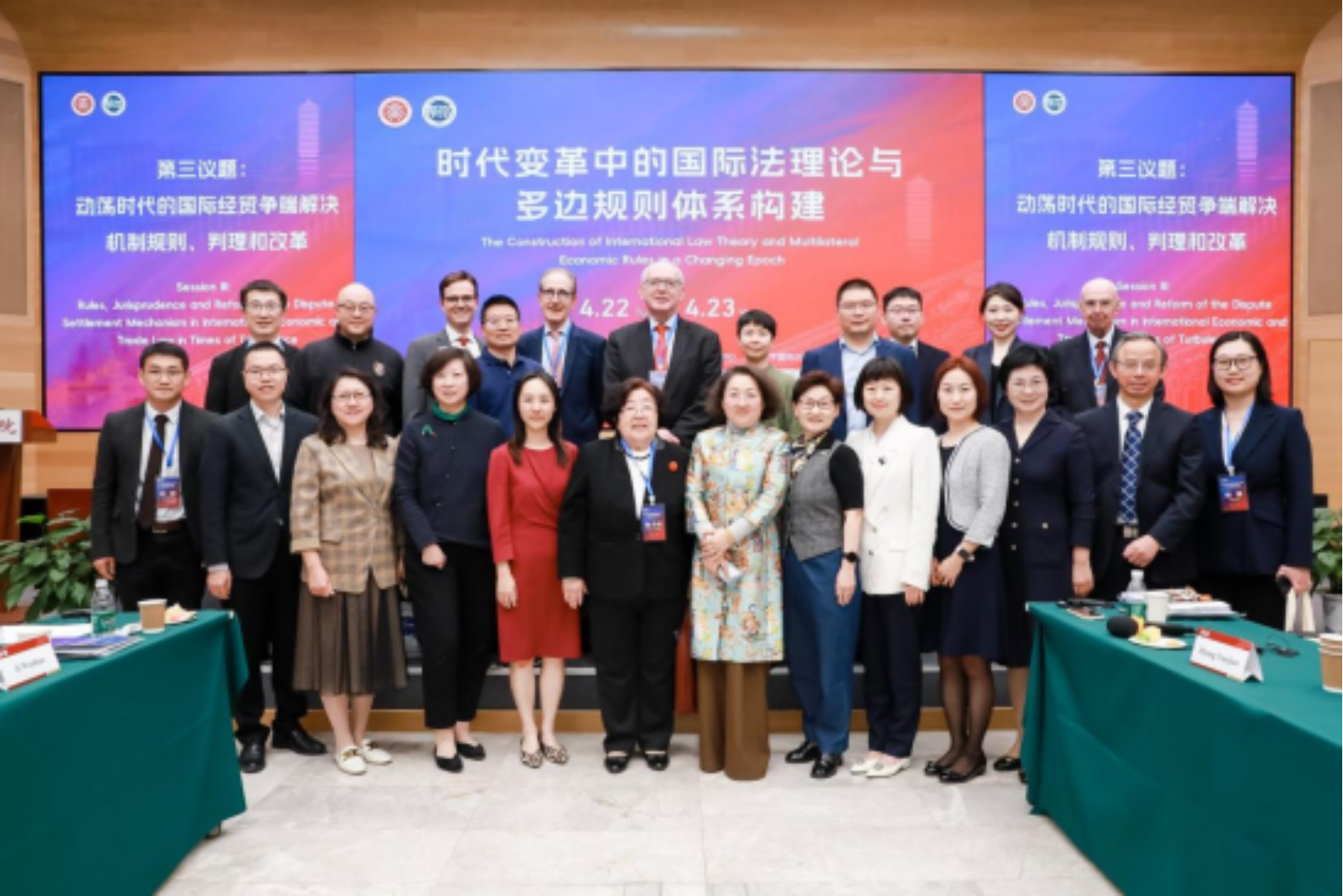
In the closing session of the conference, Xie Changqing, Vice President of the CIETAC Arbitration Court, Zhao Feng, Secretary General of the Shenzhen Court of International Arbitration, and Tang Jinnan, Secretary of the Party Committee of PKULS, delivered speeches successively. The closing ceremony was hosted by Prof. Dai Xin, Vice Dean of PKULS.
With profound theoretical insights and specific practical discussions, this conference answered the major issues of concern of the times and provided important ideological resources for building a more fair and reasonable global economic and trade order and governance order.
Translated by:Han Kaibo
Edited by: Lu Zhixuan