



The 6th Biennial Conference of the International Society for Chinese Law and History (ISCLH) Held at Peking University
Date:2025-08-01
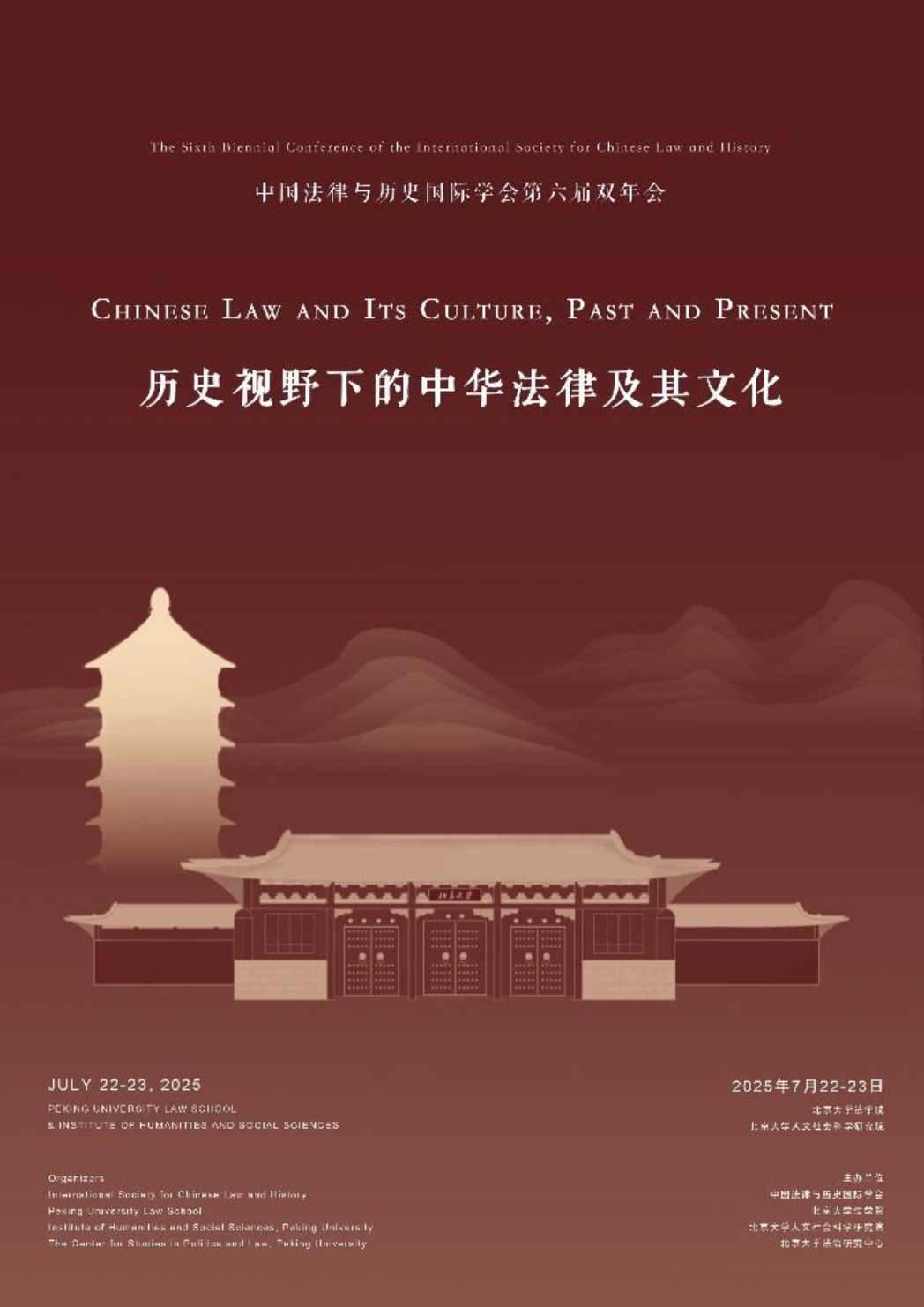
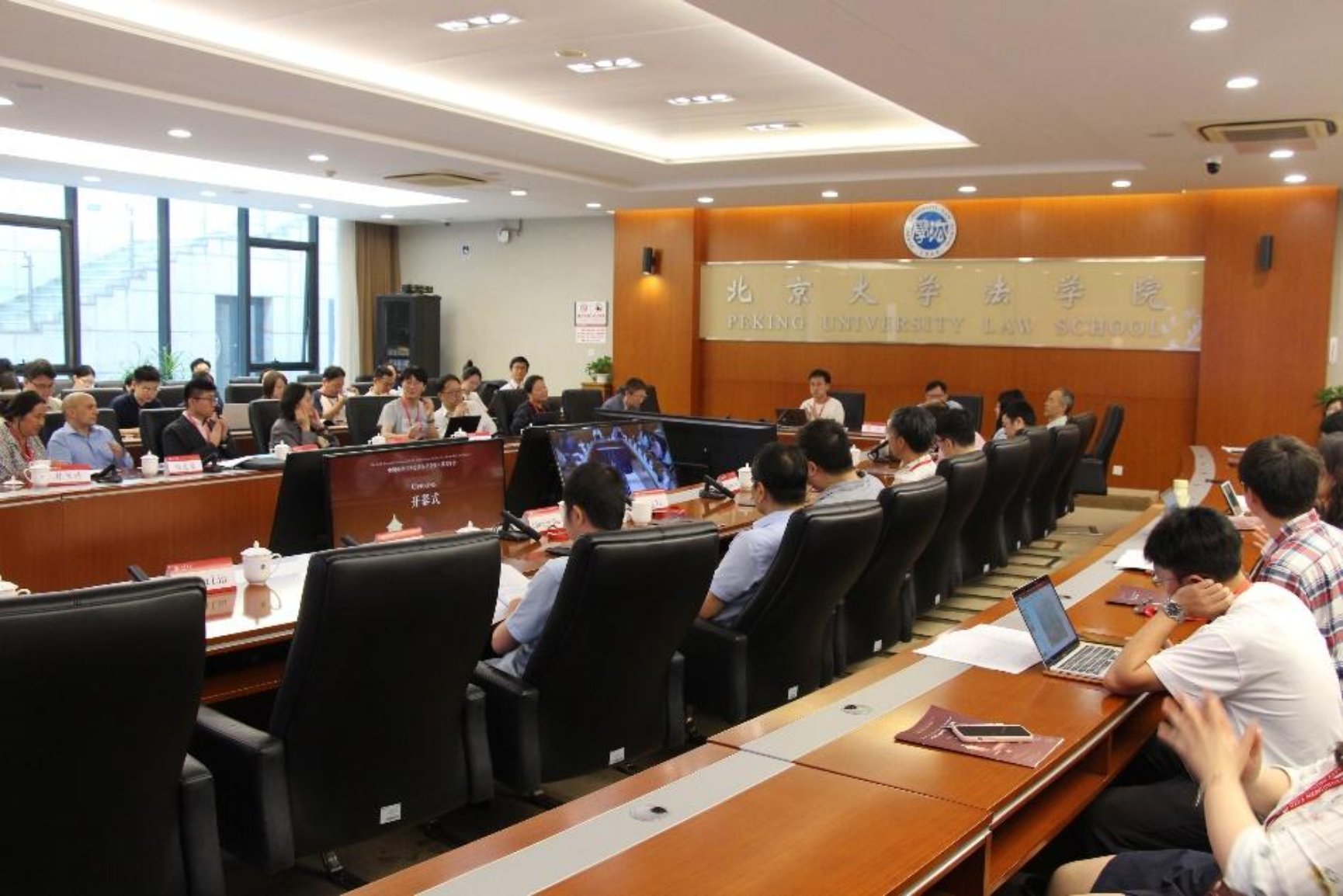
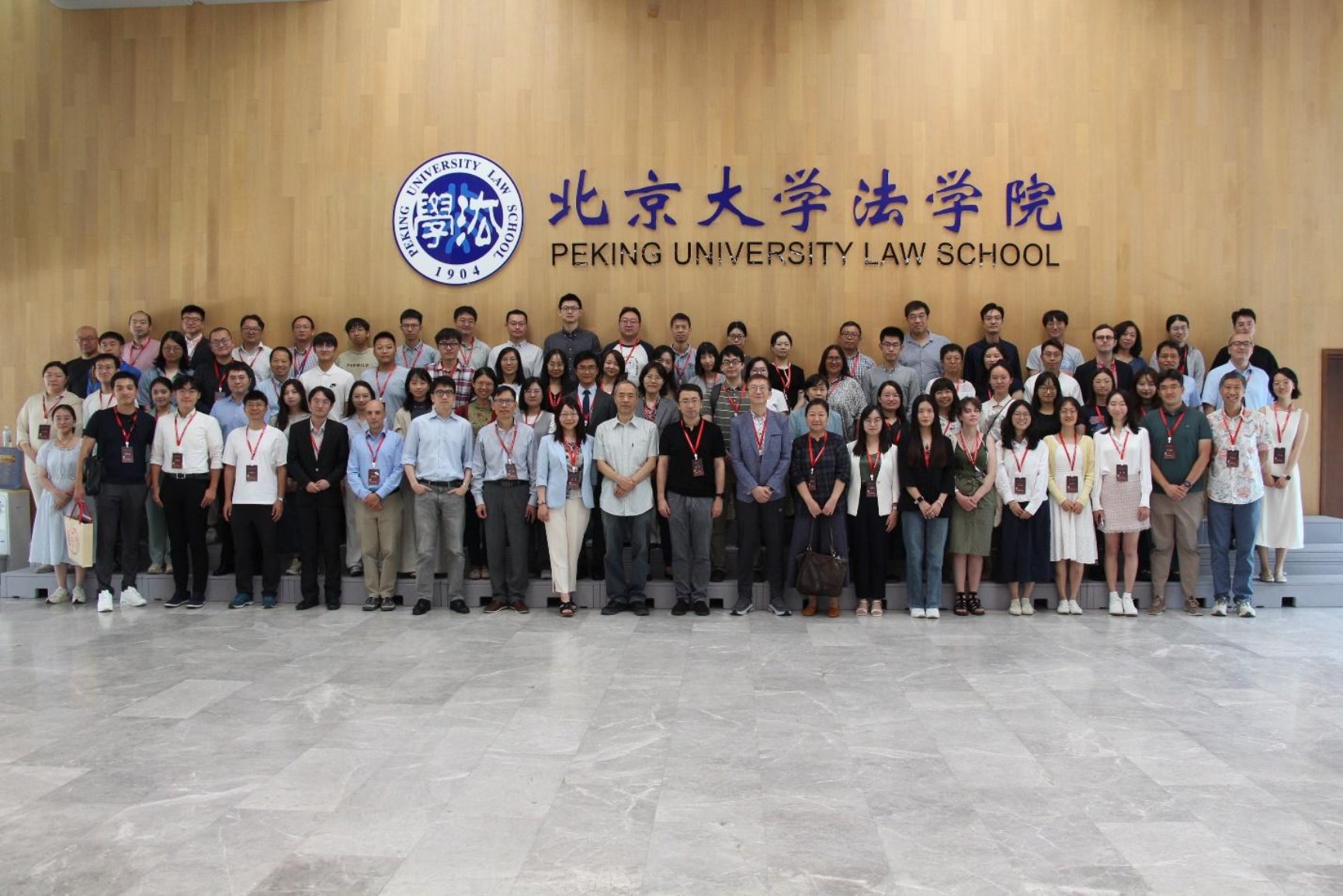
From July 22 to 23, 2025, the 6th Biennial Conference of the International Society for Chinese Law and History (ISCLH) was grandly convened at Peking University. Co-organized by the ISCLH, Peking University Law School (PKULS), the Institute of Humanities and Social Sciences (IHSS) at Peking University, and the Center for Rule of Law Studies at PKULS, the conference adopted the theme “Chinese Law and Its Culture in Historical Perspective.” It attracted over 80 scholars from Chinese mainland, Hong Kong, Macao, Taiwan, Europe, North America, and Southeast Asia.
Over two days, participants engaged in in-depth discussions on cutting-edge topics such as the historical practices and modern transformations of China’s legal traditions, while also exchanging views on the interdisciplinary identity and methodological approaches of legal history as a field. This marked the first in-person ISCLH biennial conference since the virtual editions of 2021 and 2023, and it was the fourth time the society has held its biennial meeting in Asia.
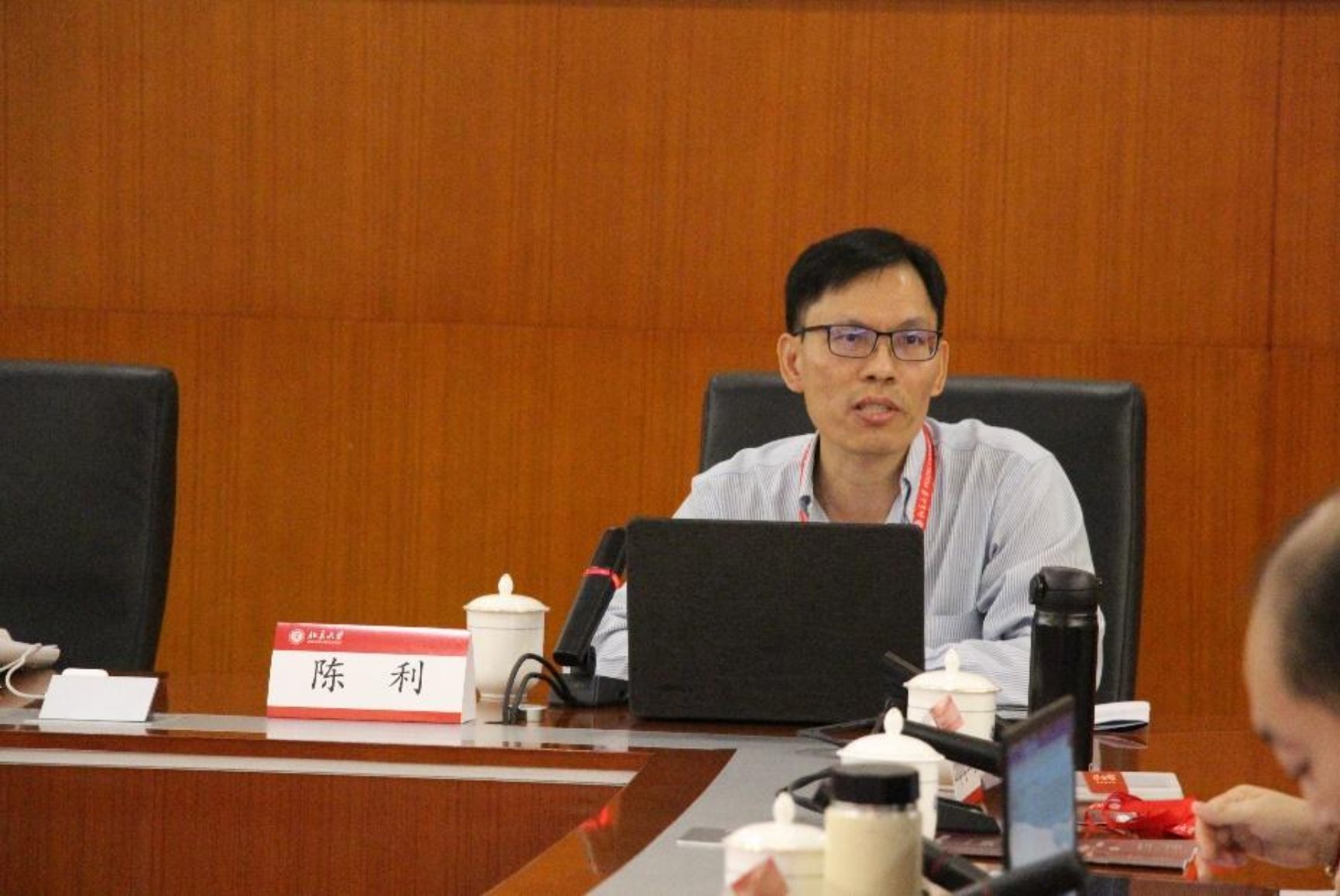
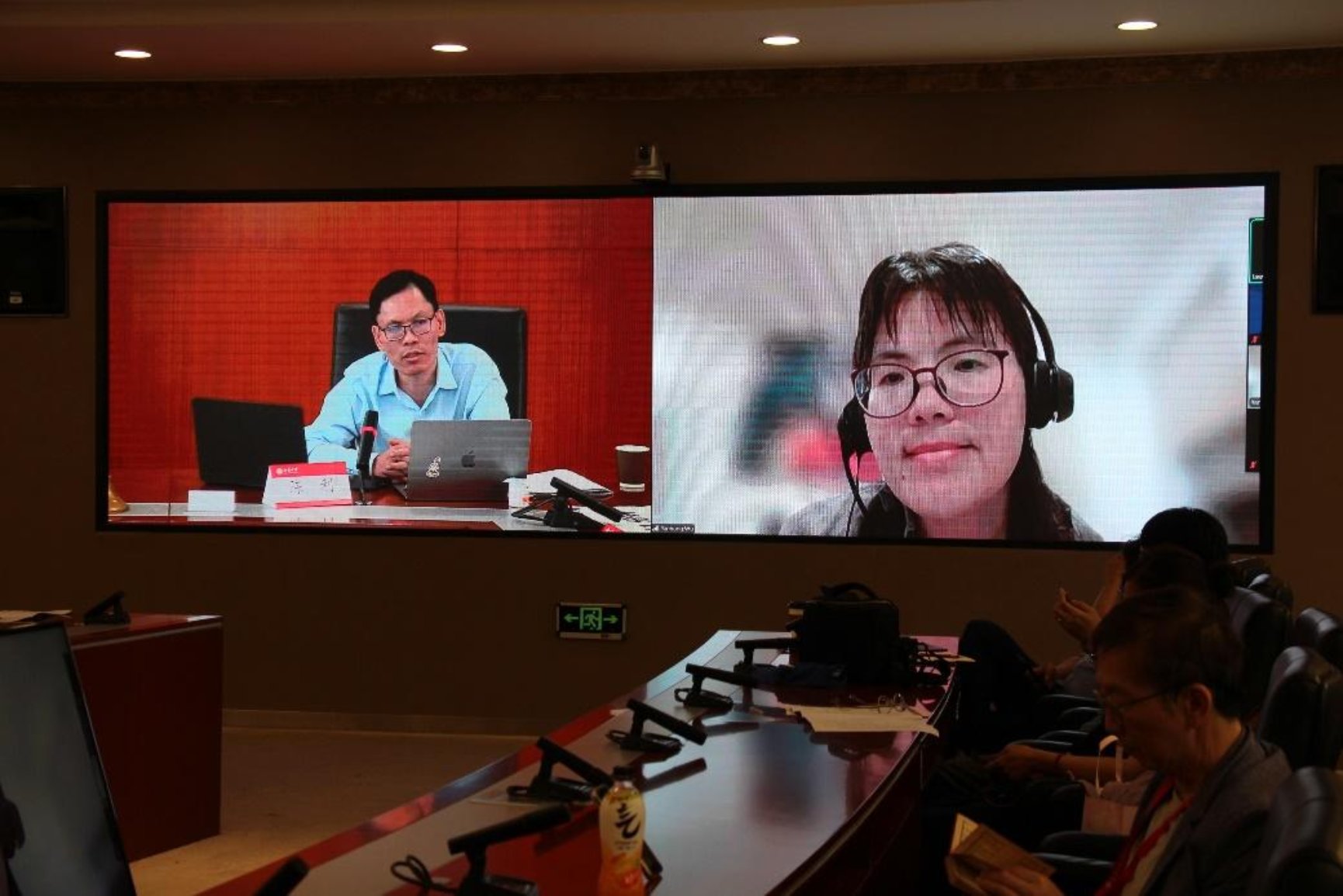
The opening ceremony took place on the morning of July 22 in Room B102 of the Leo Koguan Building at PKULS. It was chaired by A.P. Chen Li, Associate Professor of History at the University of Toronto and Founding President of the ISCLH.
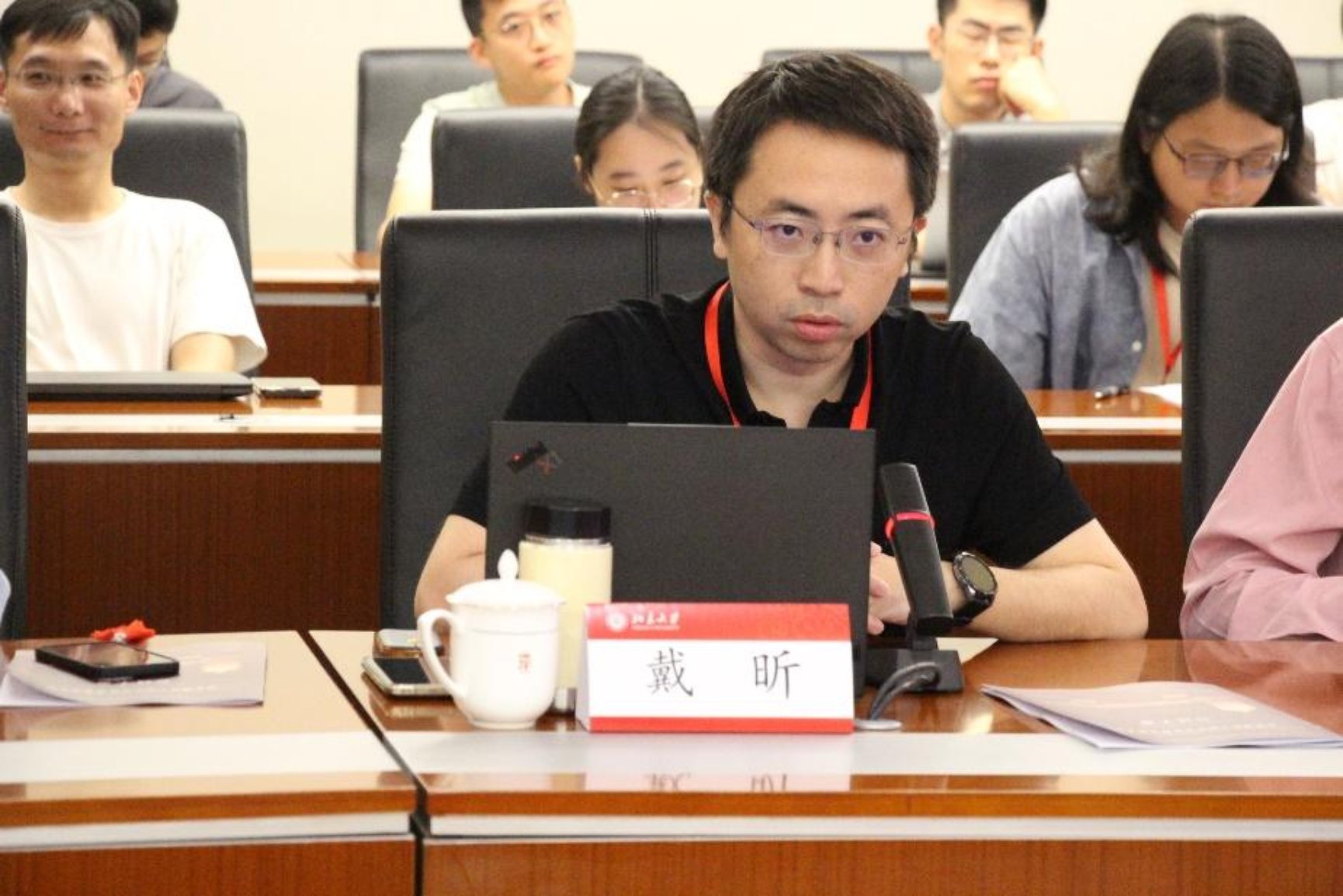
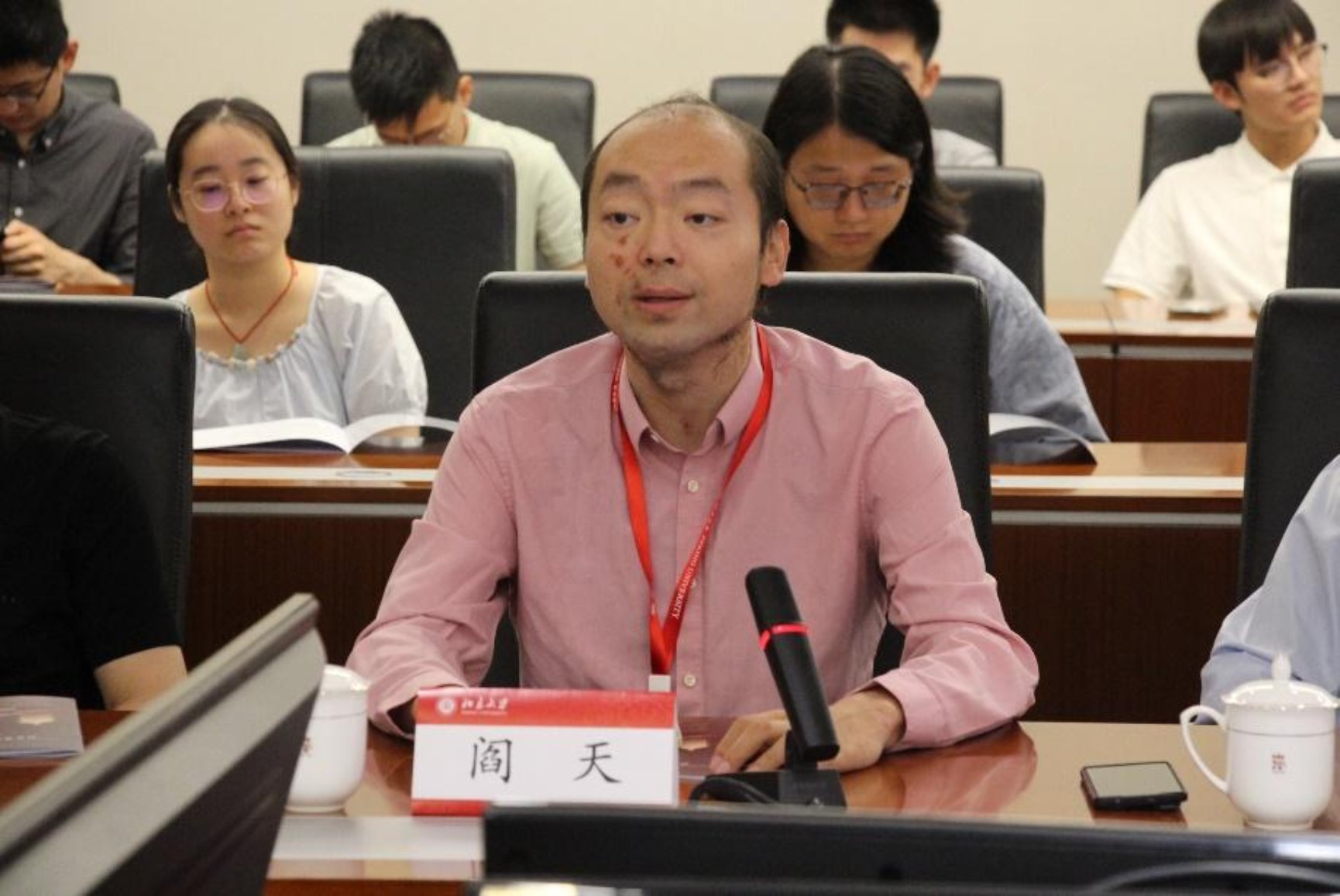
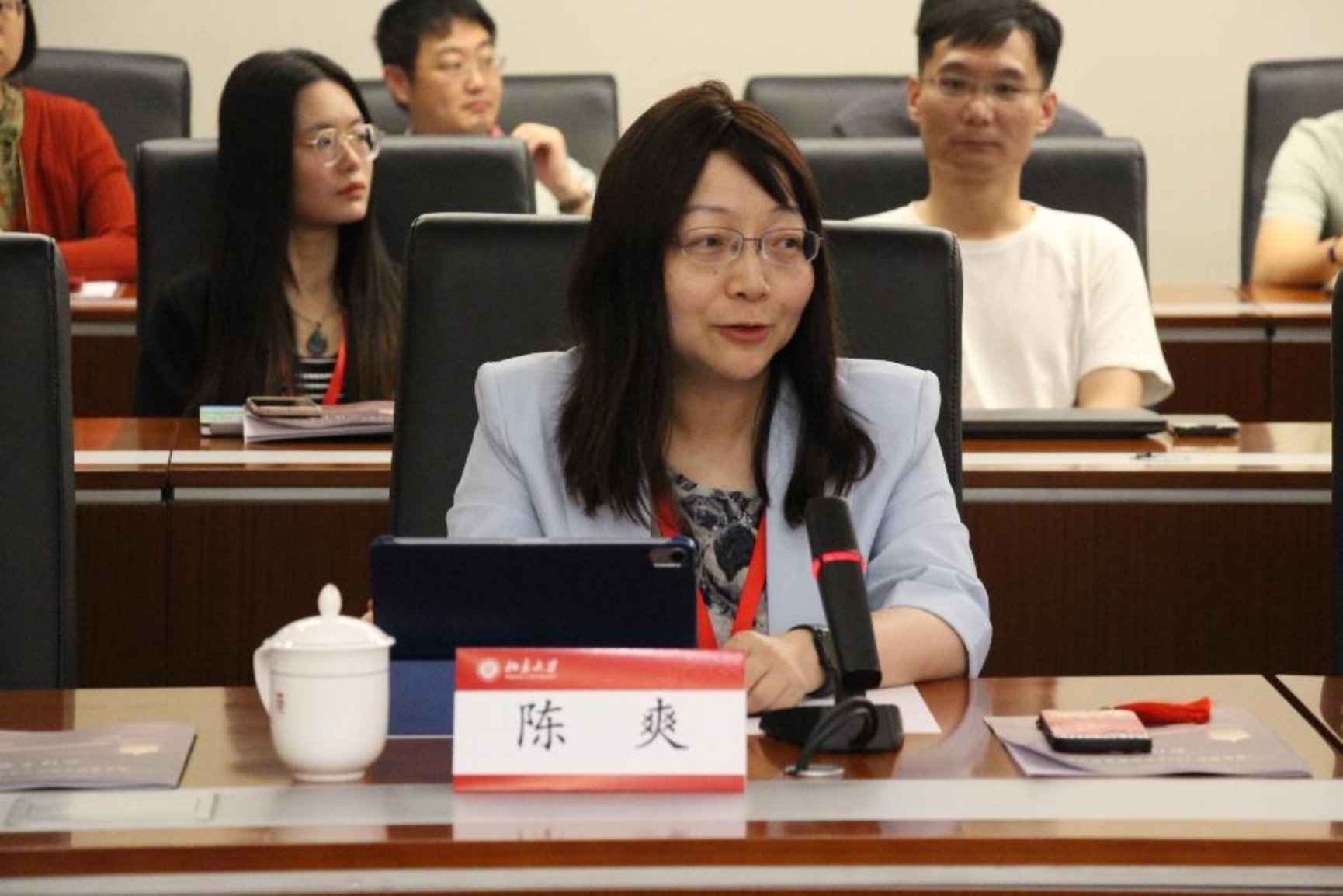
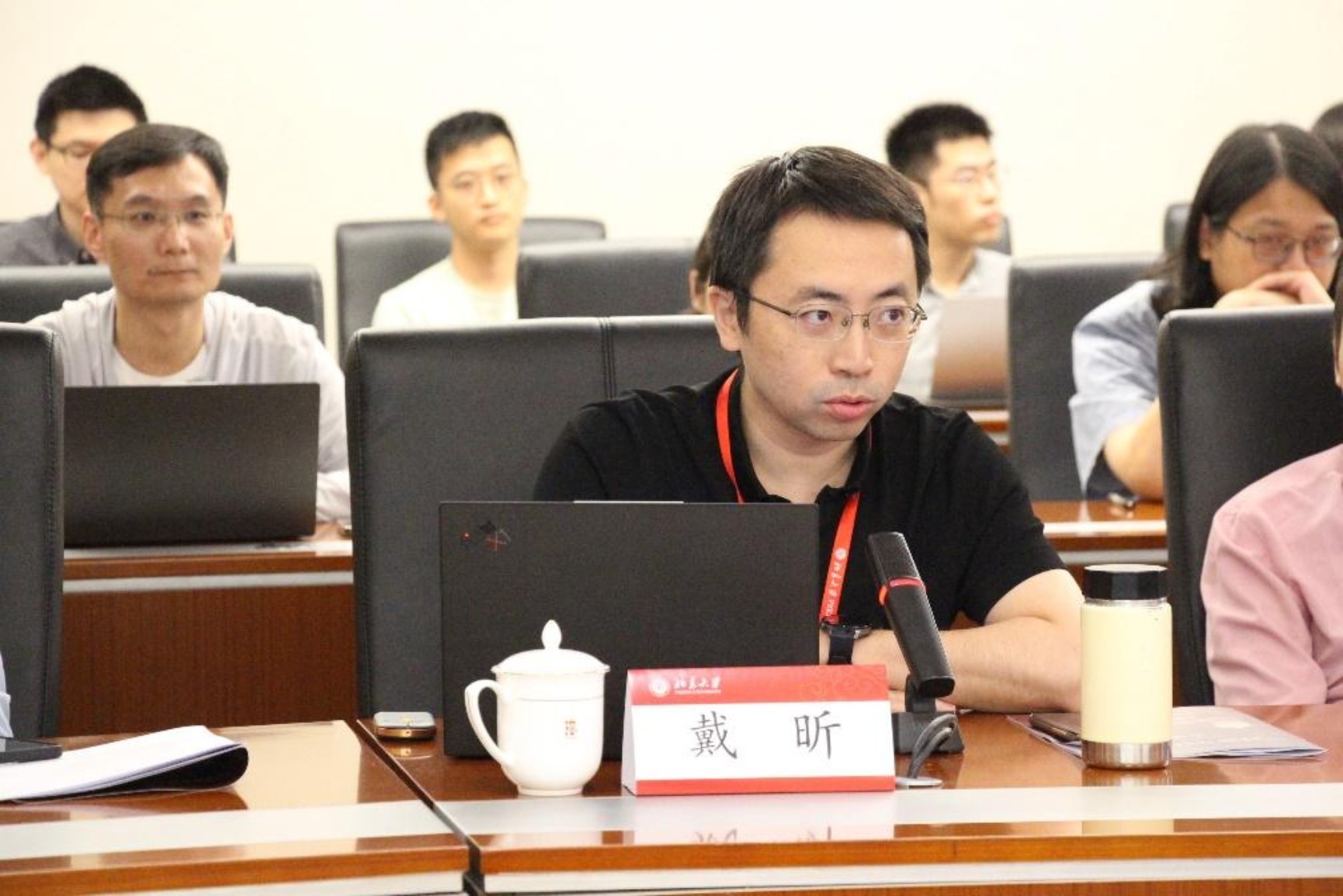
In his remarks, A.P. Dai Xin, Deputy Dean of PKULS and Director of the Center for Rule of Law Studies, emphasized the importance of international academic collaboration and exchange. A.P. Yan Tian, Deputy Director of the IHSS and Associate Professor at PKULS, underscored the necessity of interdisciplinary dialogue. A.P. Chen Shuang, Associate Professor of History at the University of Iowa and current ISCLH President, reviewed the society’s development trajectory and reflected on the challenges and responsibilities it faces amid evolving global dynamics.
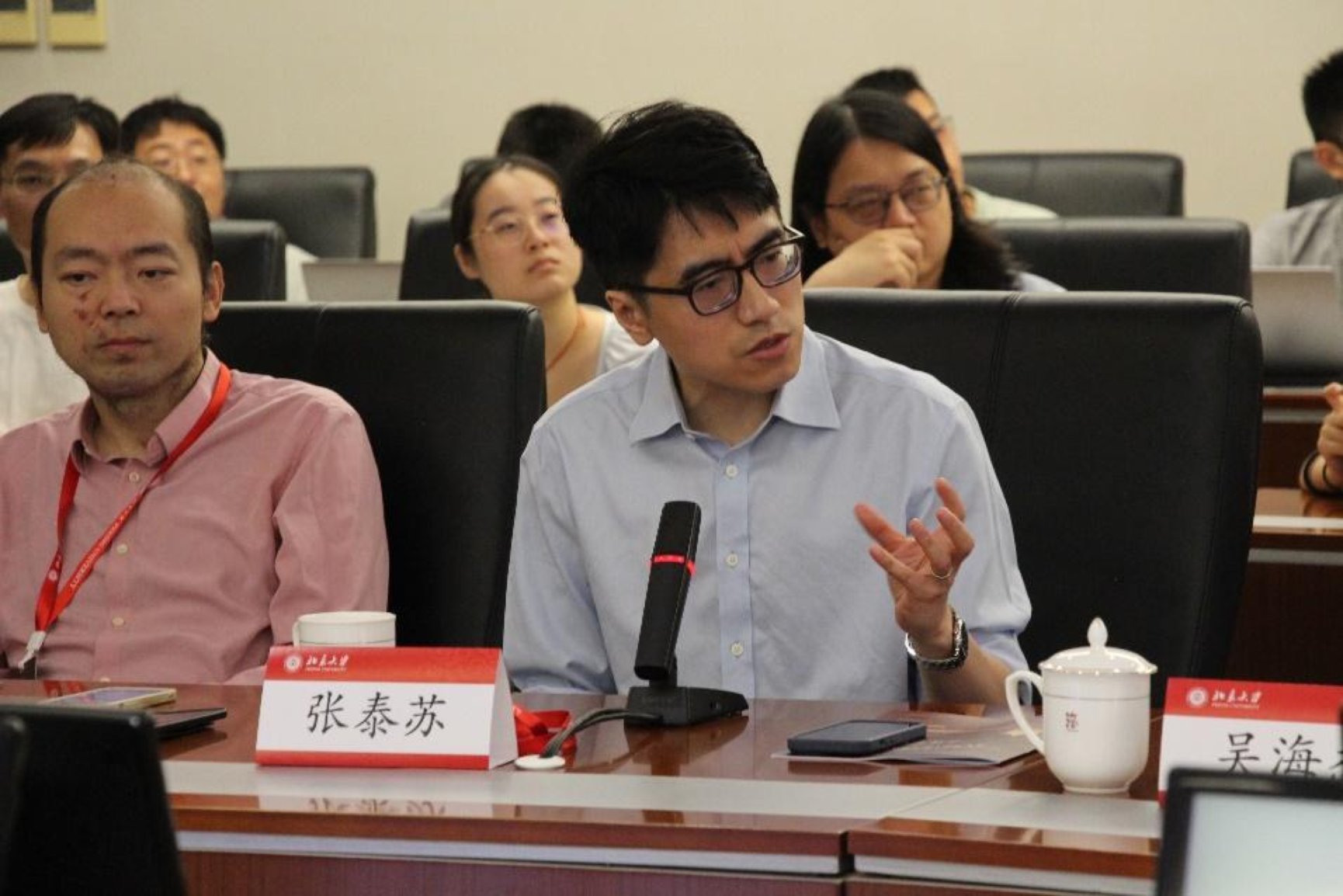
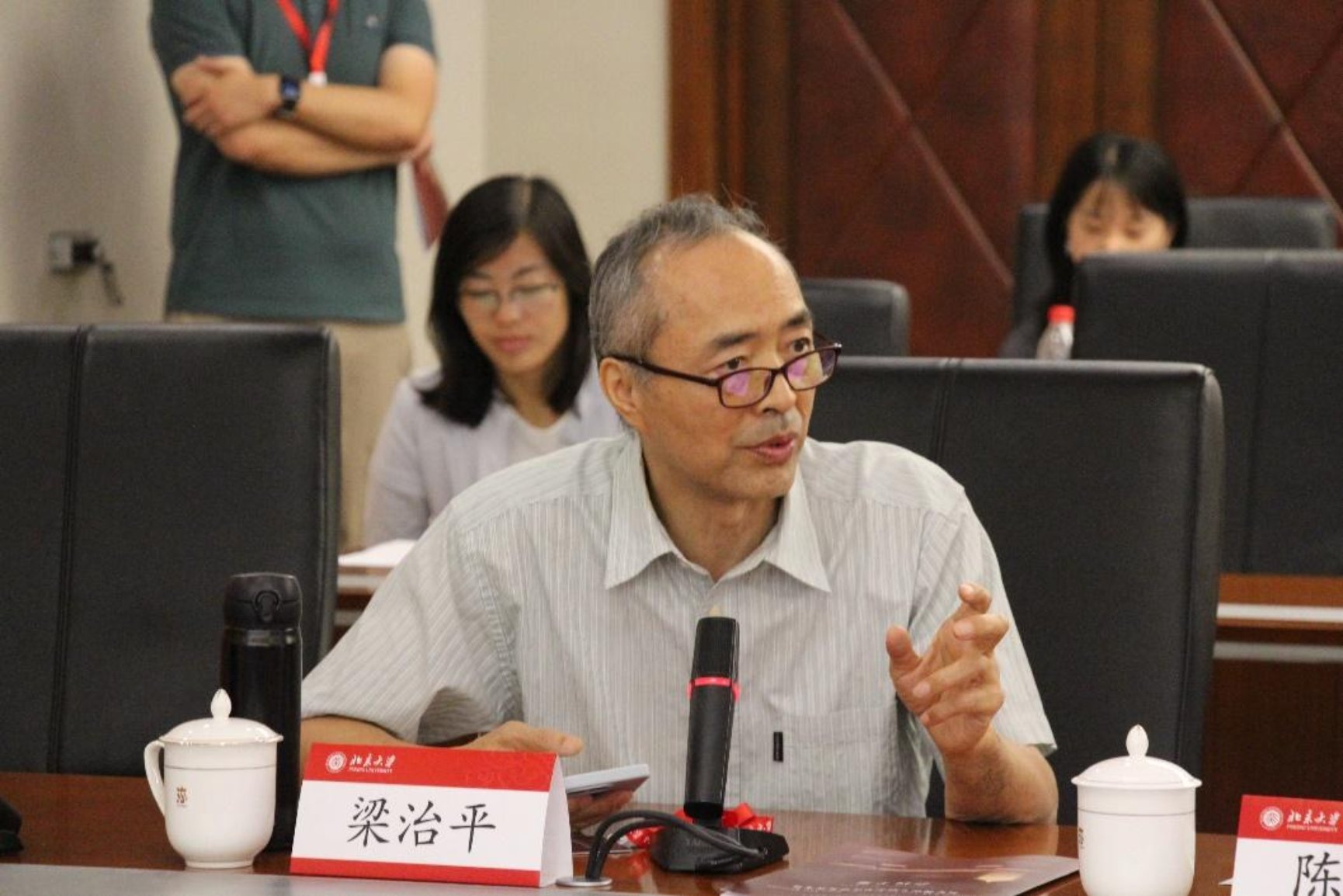
Following the opening, Prof. Zhang Taisu of Yale Law School delivered the keynote address titled “Legality and State Building in Modern China.” From a comparative legal perspective, Prof. Zhang analyzed the functional role of “legality” discourse in contemporary Chinese state governance. The session was moderated by Prof. Liang Zhiping of the Advanced Institute for Humanities and Social Sciences at Zhejiang University, who offered incisive commentary on key conceptual distinctions—such asfa (law), fazhi (legal system), rule of law, and zhi fa (governing through law)—and their translation challenges.
The first roundtable discussion, chaired by A.P. Chen Shuang, brought together six scholars from law, history, and sociology to explore “Social Science Theories and the Study of Chinese Law and History.”
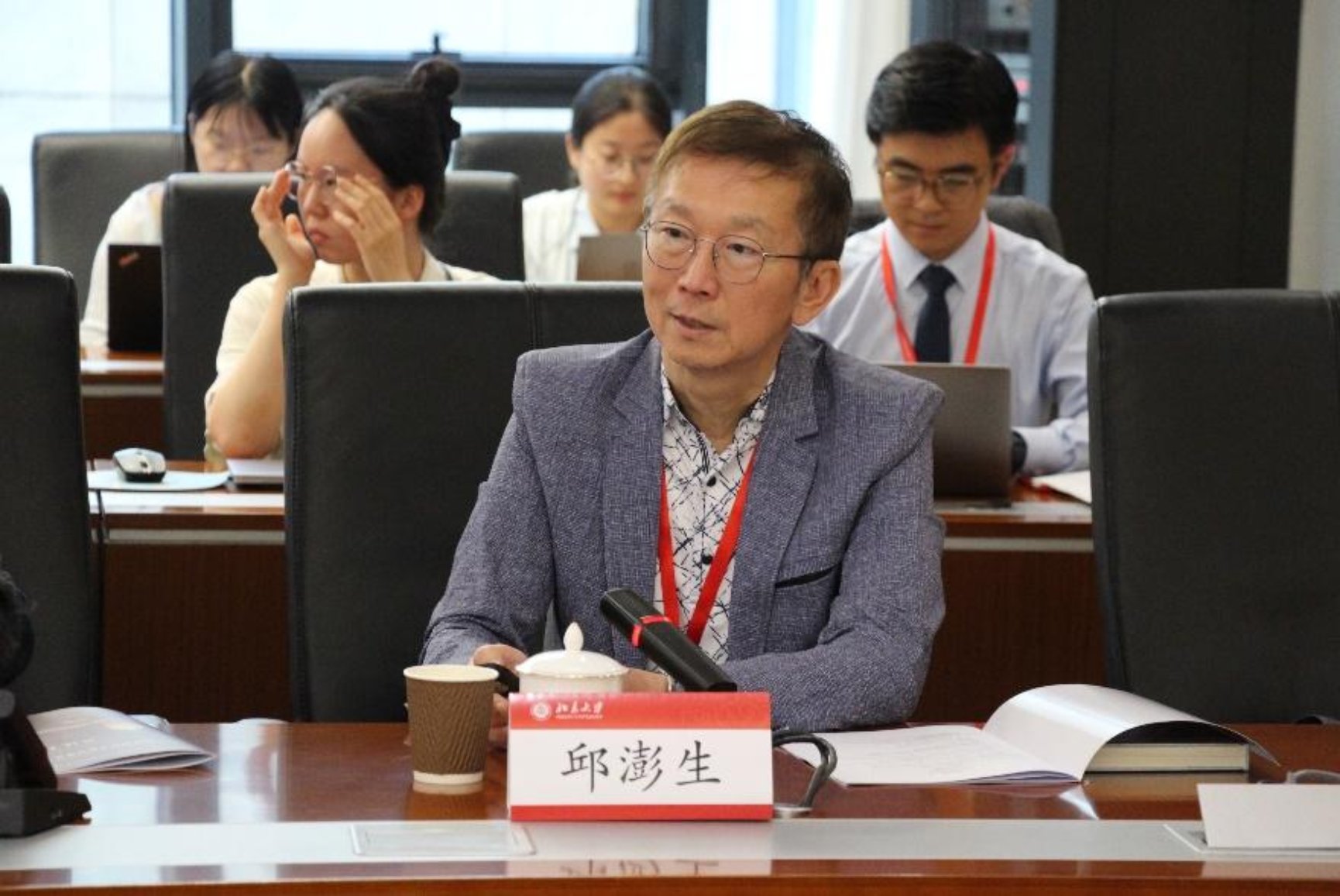
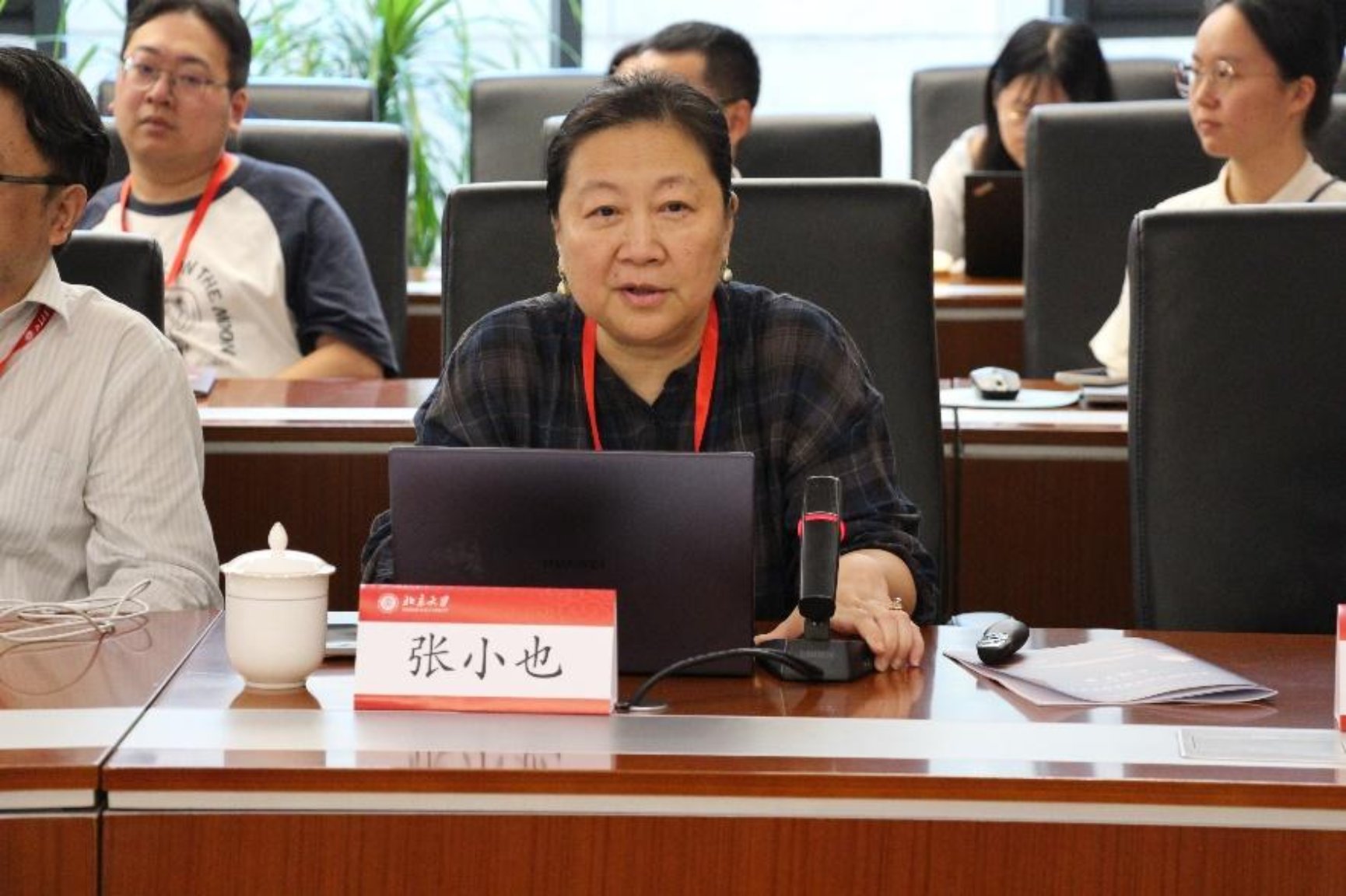
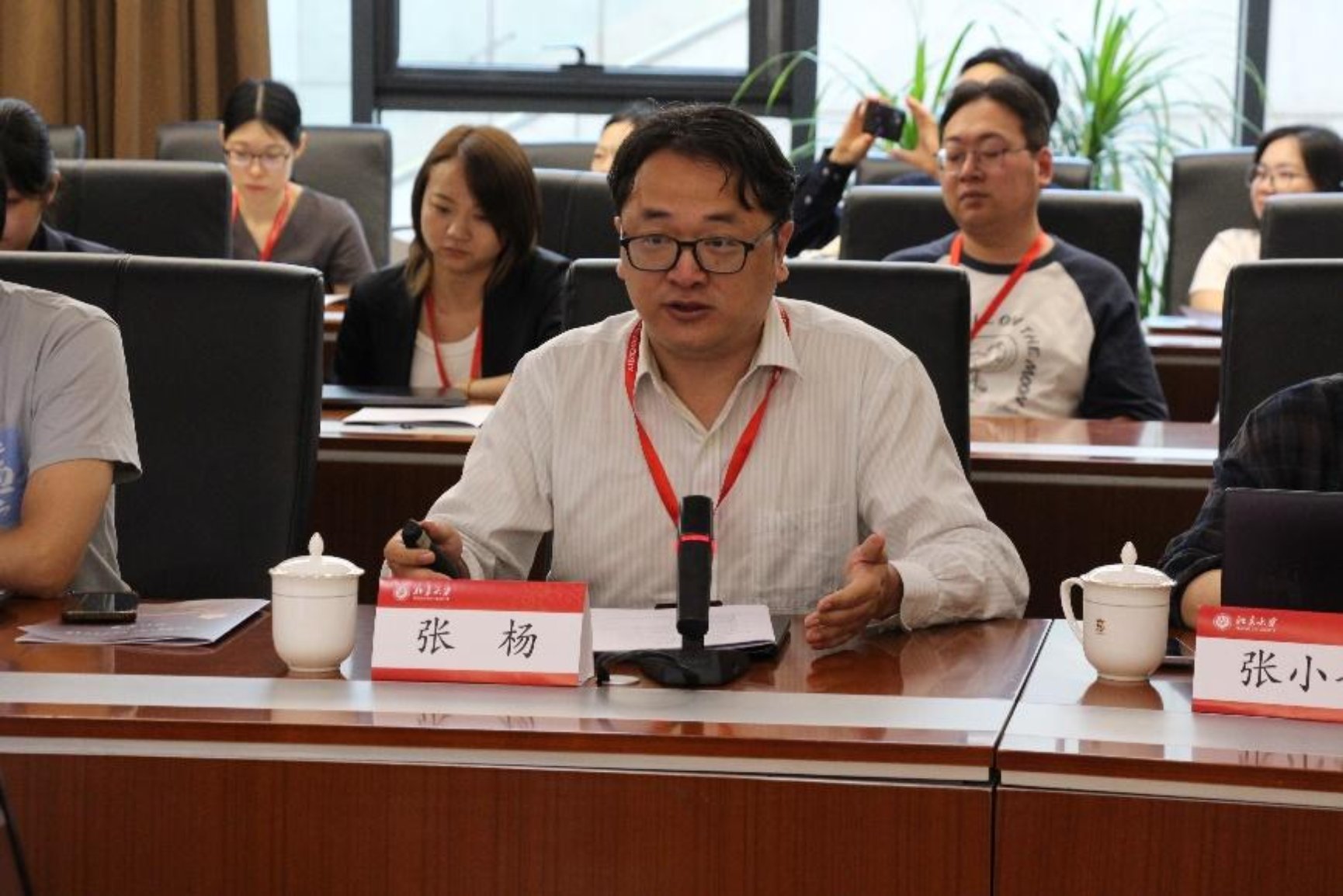
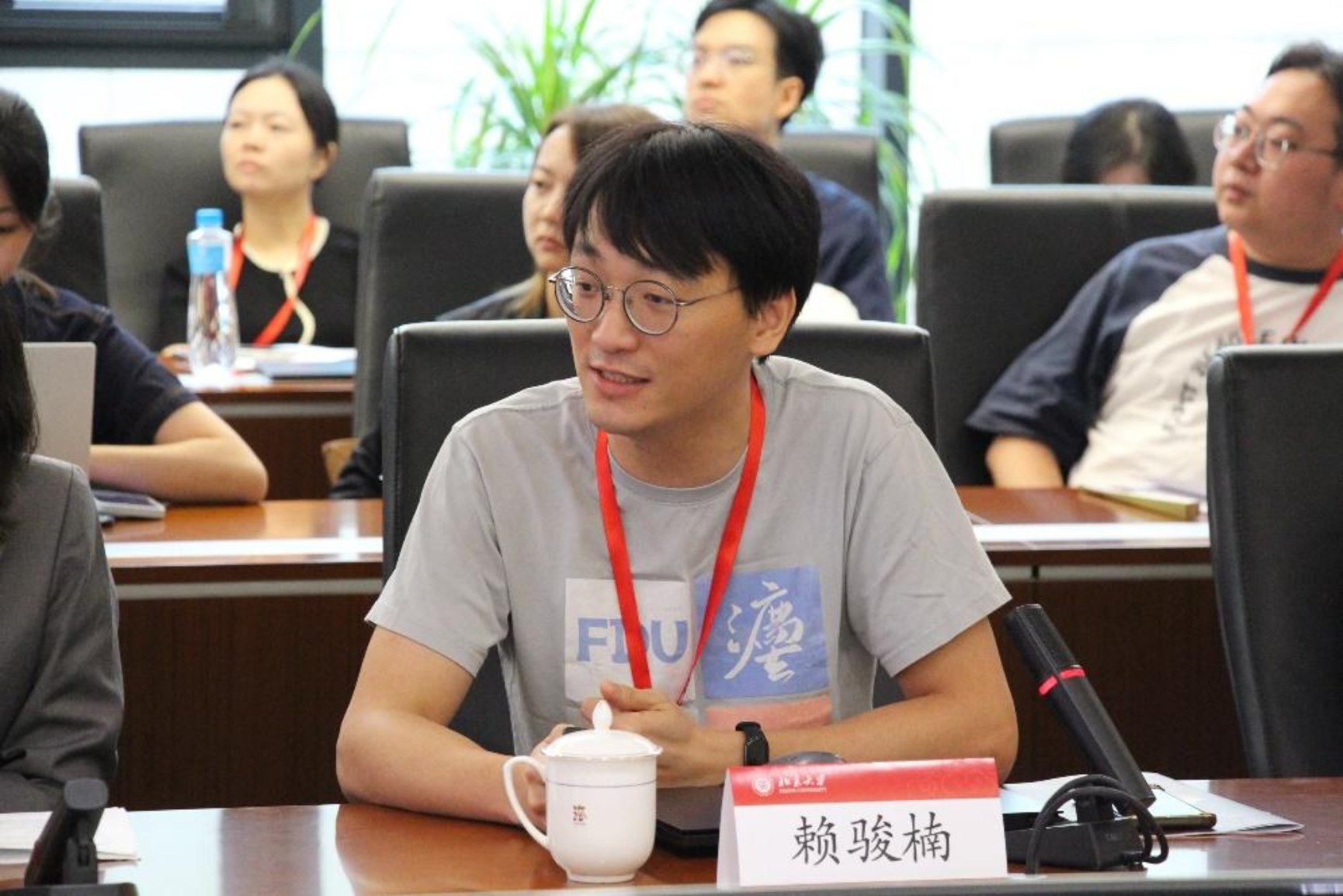
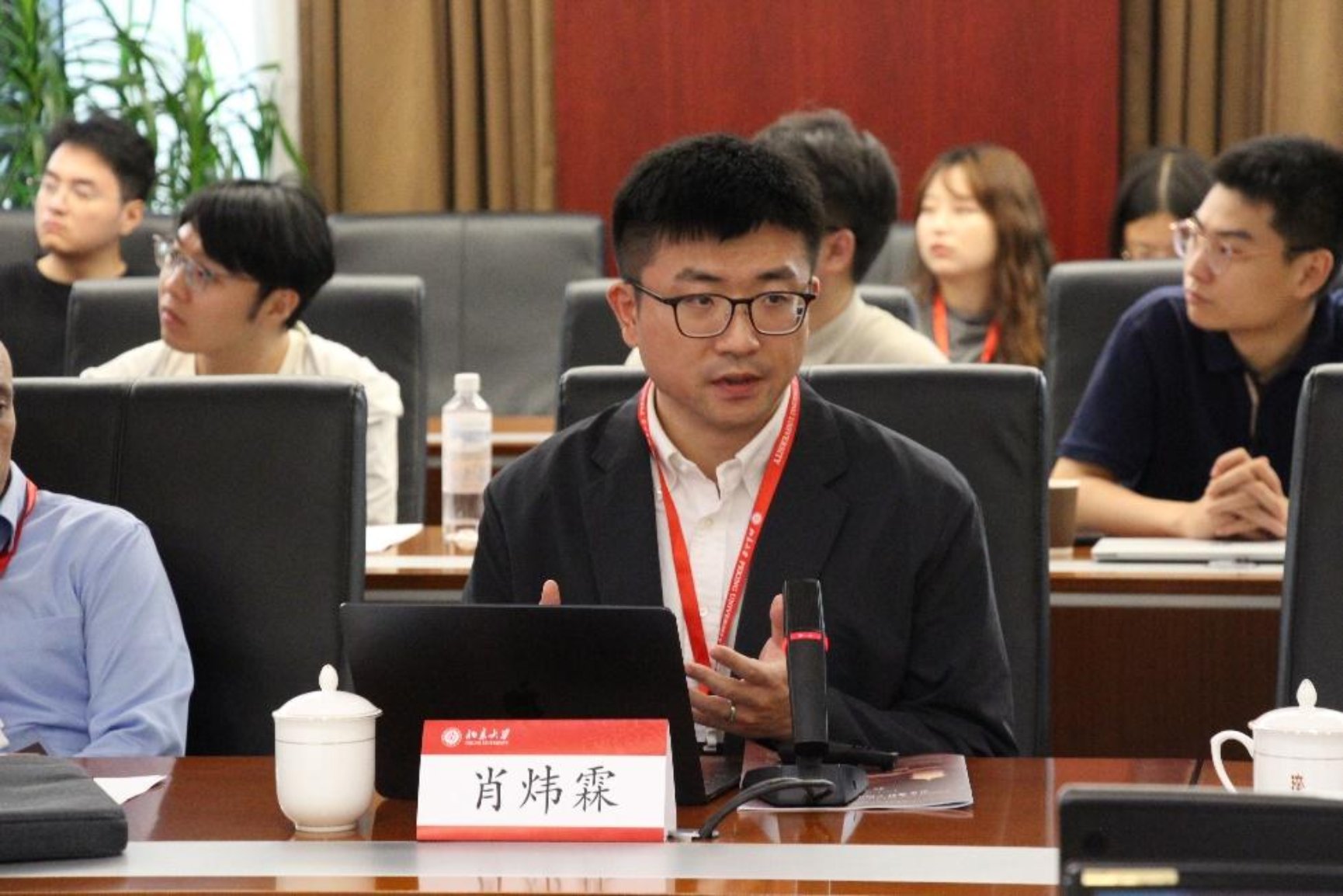
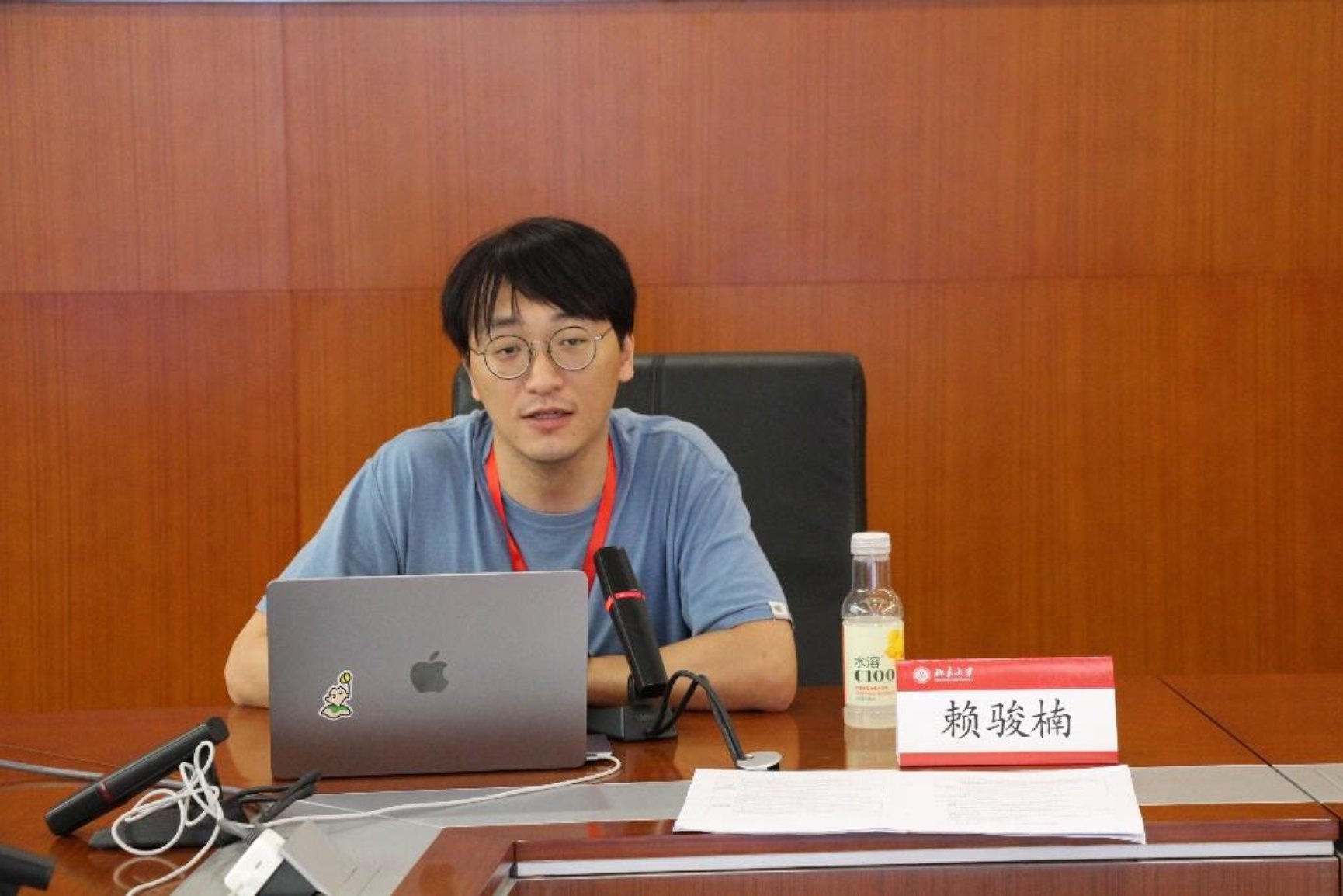
Prof. Qiu Pengsheng (Shanghai Jiao Tong University) examined legal pluralism and judicial fields in Ming-Qing China. Prof. Zhang Xiaoye (Shenzhen University) highlighted how regional social history enriches legal historical research. A.P. Zhang Yang (American University) discussed the contributions of historical sociology to both sociological theory and China studies. Prof. Lai Junnan (Fudan University Law School) illustrated how theoretical frameworks deepen understanding of modern Chinese legal history. A.P. Dai Xin (PKULS) addressed the integration of social science and historical reasoning in legal argumentation. Asst. Prof. Xiao Weilin (University of Hong Kong Faculty of Law) presented two dimensions of comparative legal history and social science.
During lunch on July 22, A.P. Du Le (Cornell University), Chair of the ISCLH Conference Committee, introduced the COREL Database of Qing Legal Materials, developed by a team led by Prof. Frédéric Constant (Université Côte d’Azur, France).
On the afternoon of July 22 and the morning of July 23, fifteen parallel sessions were held simultaneously at Jingyuan Courtyard No. 2 (IHSS) and the Leo Koguan Building (PKULS). Each session featured paper presentations, peer critiques, and audience Q&A. A total of 55 scholarly papers were presented, covering diverse themes including: traditional law and state governance, marriage systems and family relations, property rights and commercial society, extraterritoriality and international relations. Spanning from the pre-Qin era to the present, these studies showcased the methodological richness of legal history—ranging from textual criticism and archival analysis to ethnographic fieldwork and Sino-Western comparative approaches.
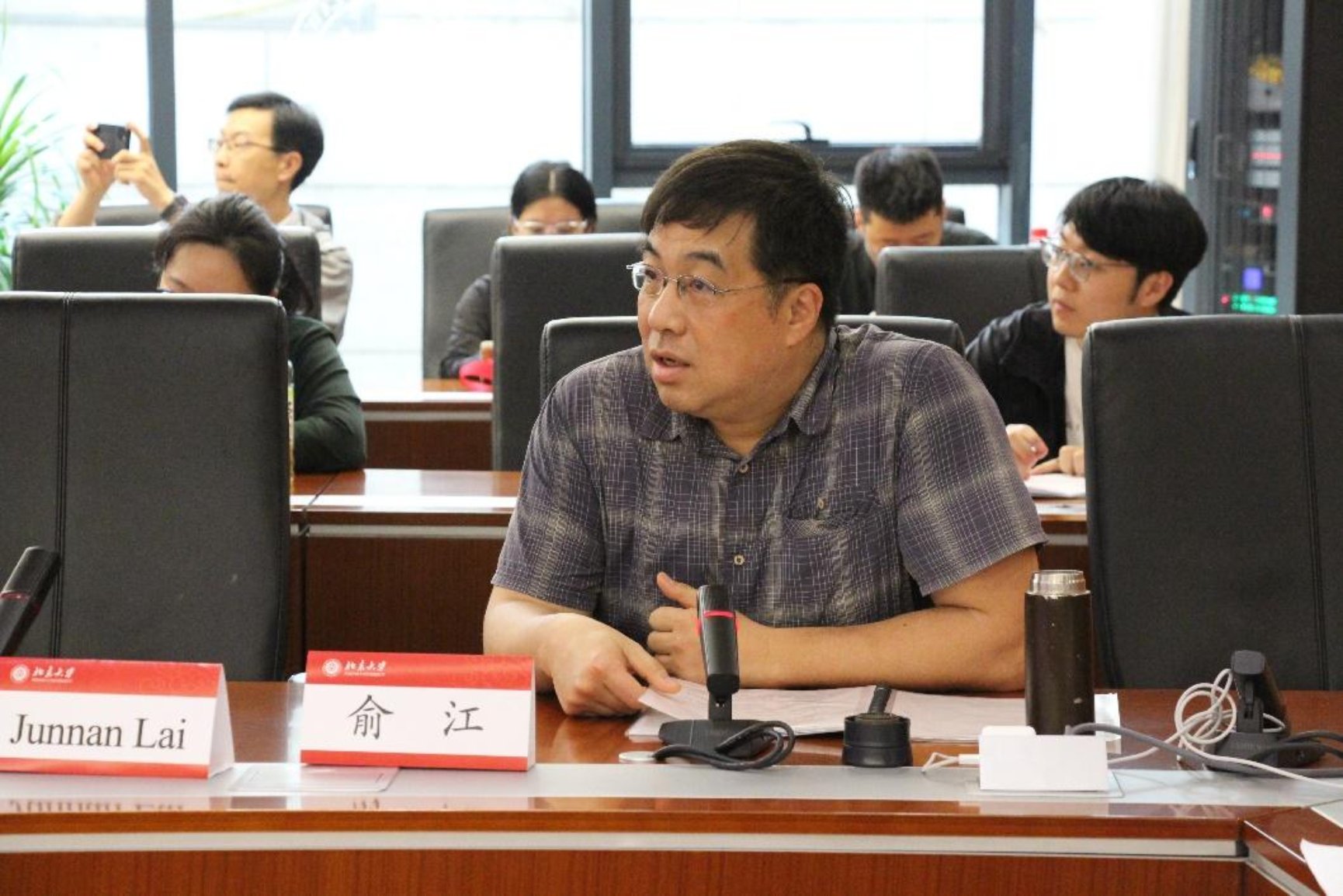
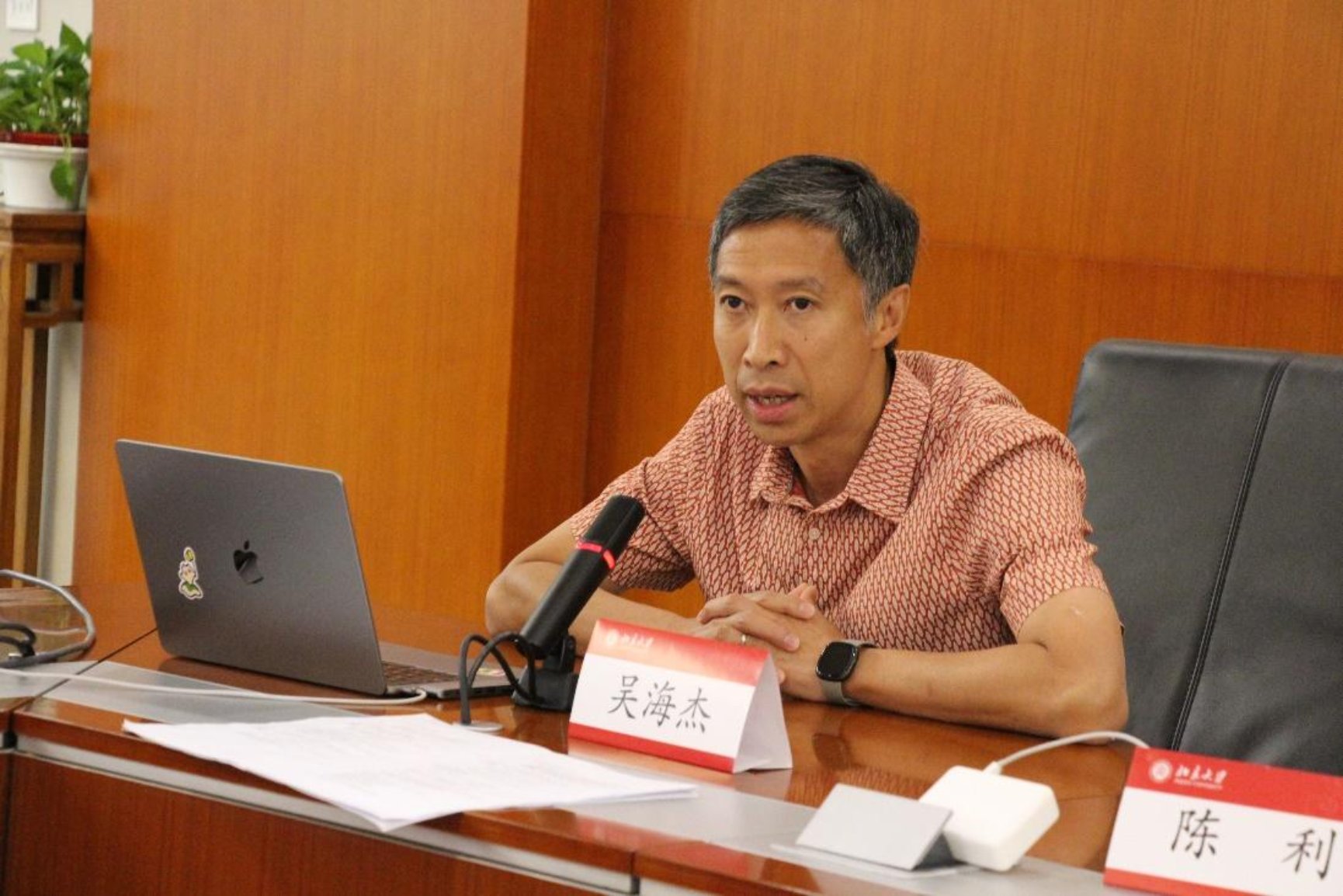
At lunch on July 23, Prof. Lai Junnan (Fudan University Law School), Chair of the ISCLH Development Committee, reported on recent member publications and the society’s strategic progress. In the afternoon, Prof. Yu Jiang, former Dean of the School of Law at Huazhong University of Science and Technology, delivered a special lecture on “Methodologies in the Study of Zhou Institutions.” Critiquing modern approaches to Zhou-dynasty institutions, he proposed an integrated methodology that bridges legal history, political history, and classical Confucian scholarship (jingxue). The Q&A session was moderated by Prof. Wu Haijie, Vice President of the ISCLH and Professor at the University of Hong Kong Faculty of Law.
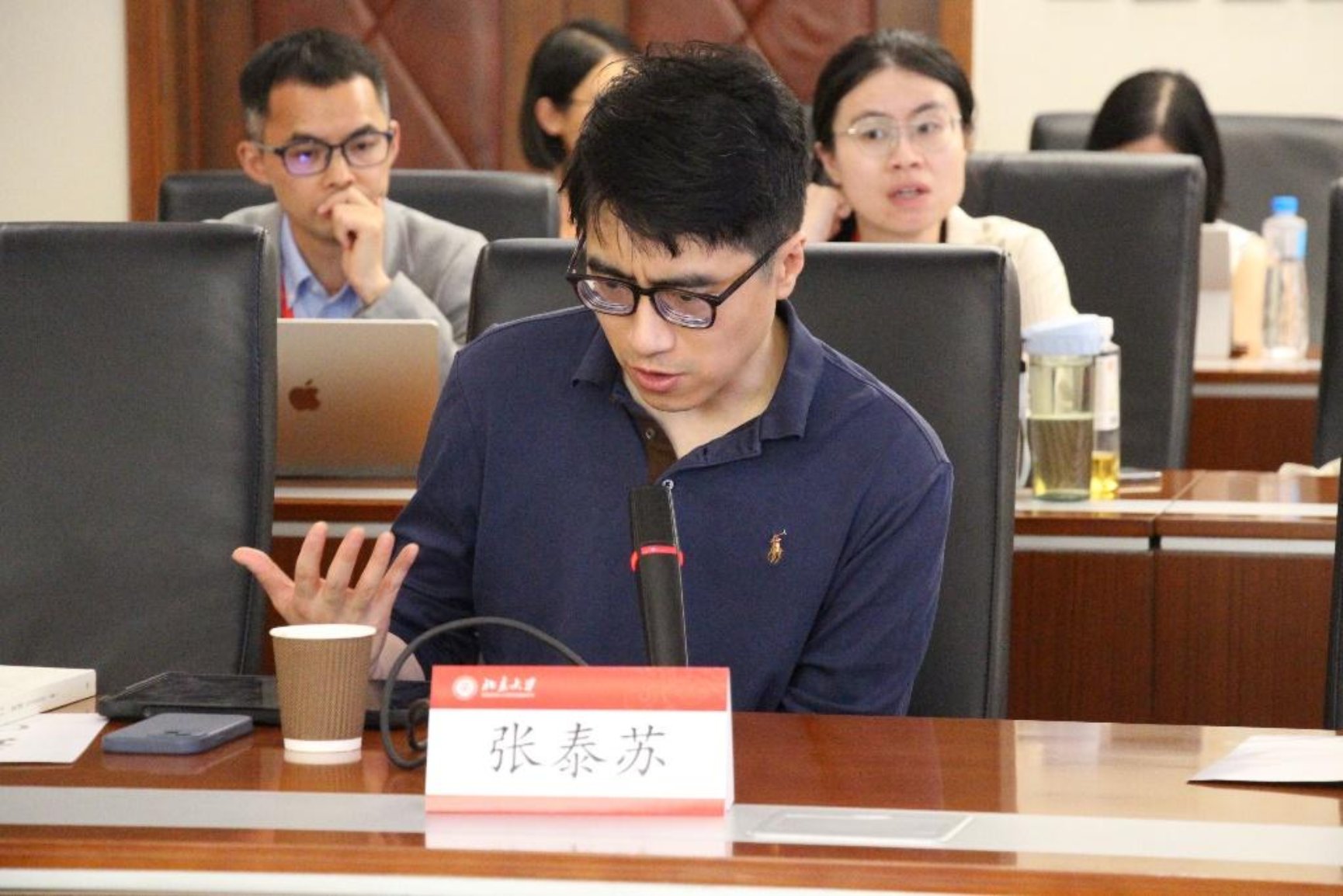
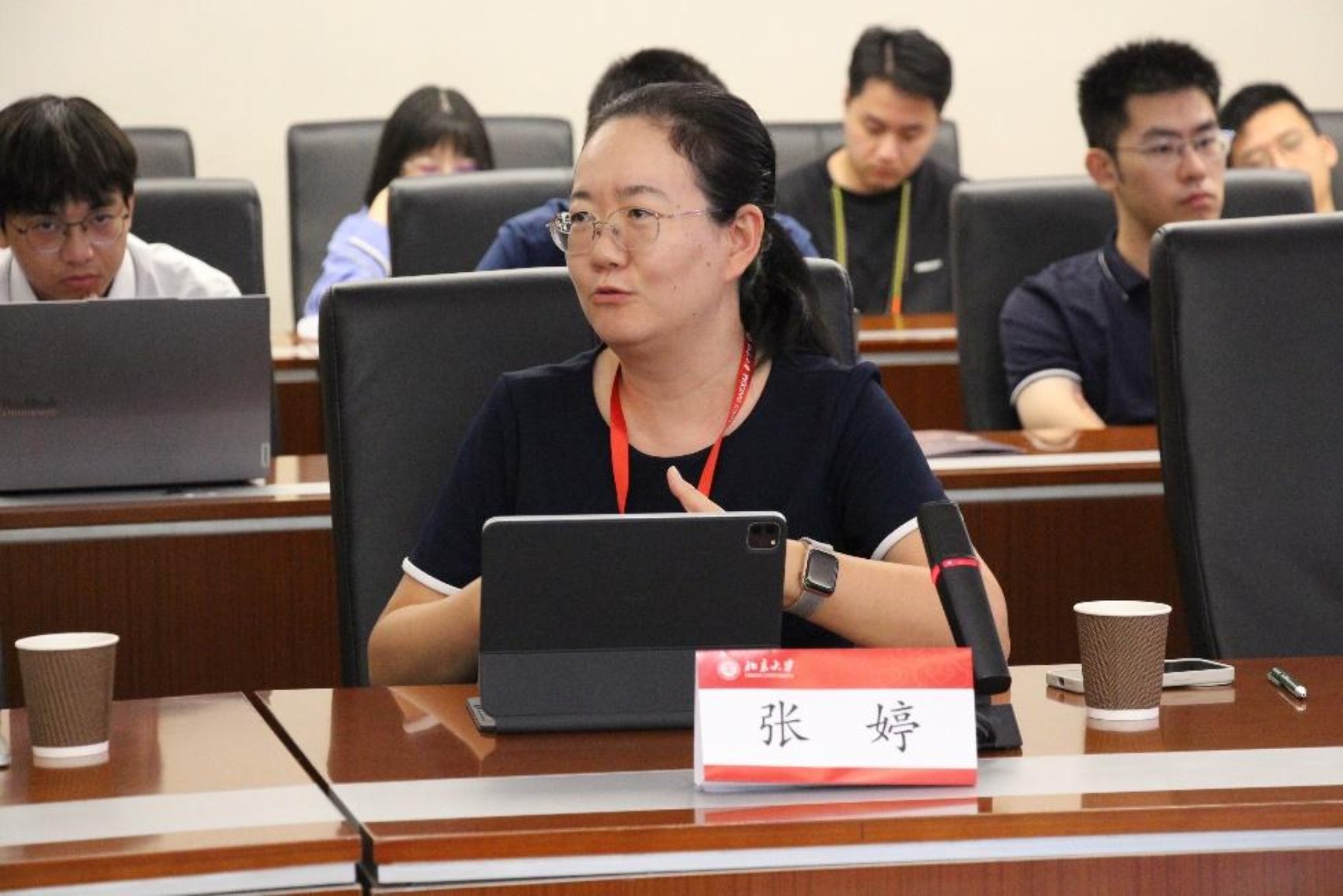
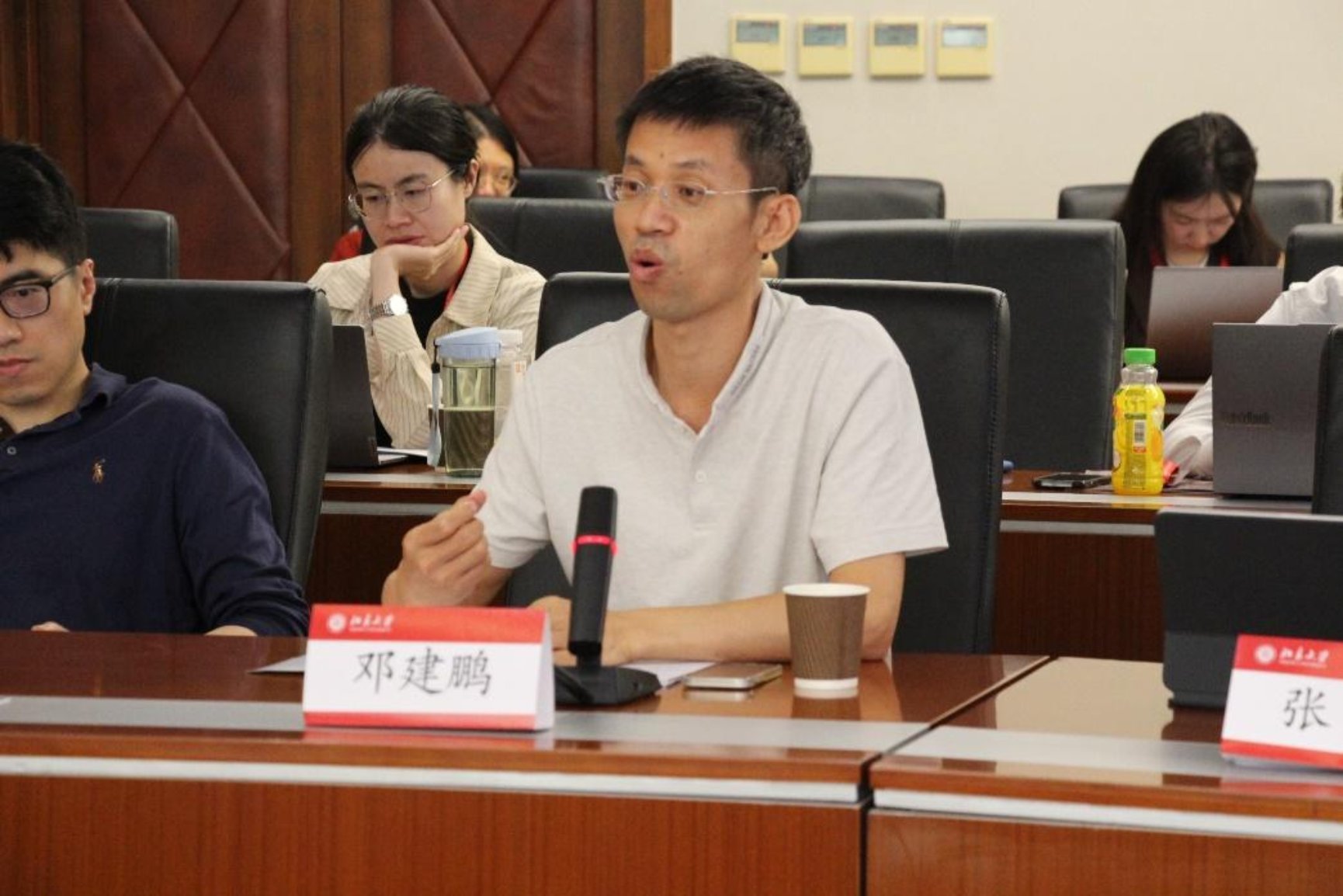
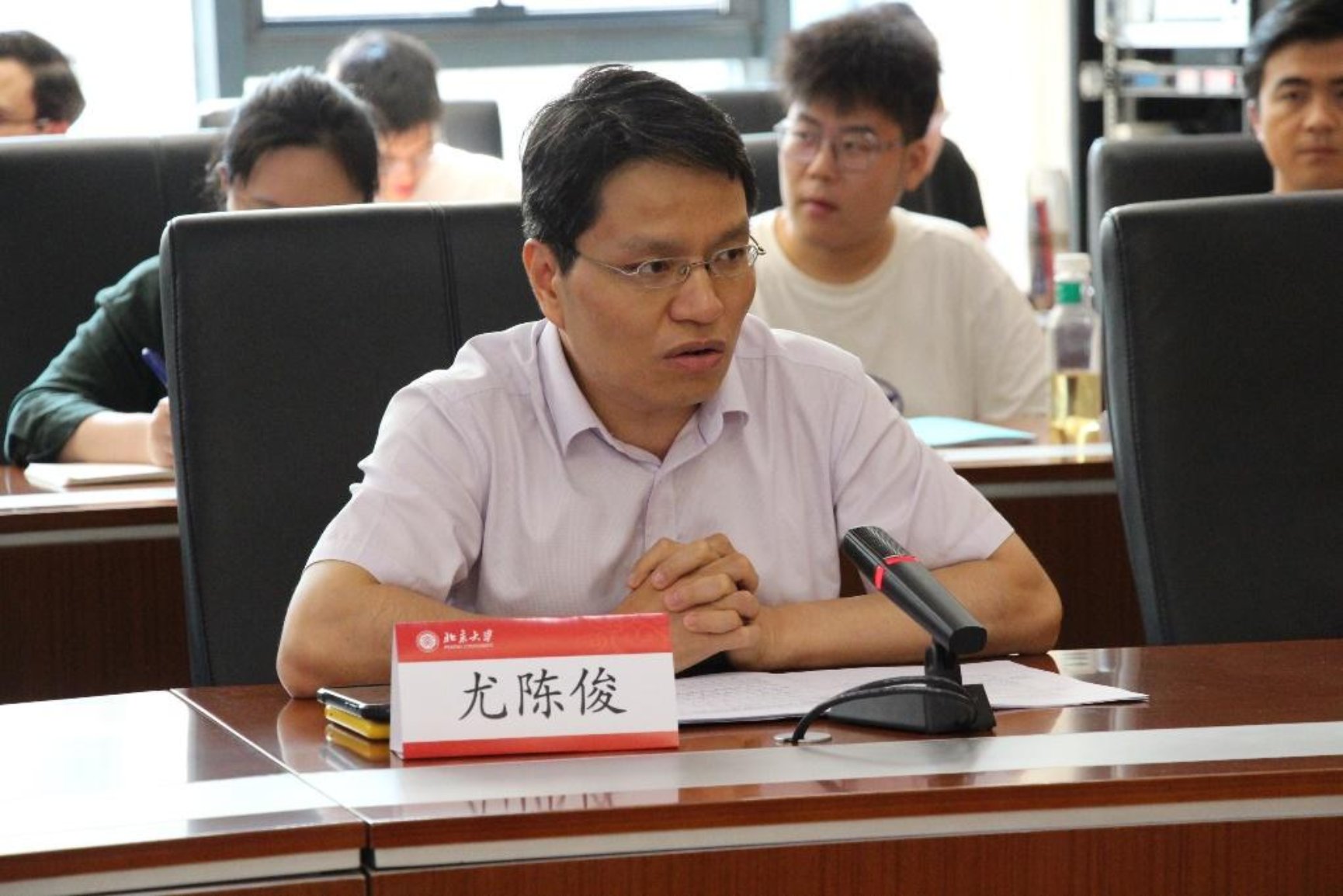
The second roundtable focused on “Legal Knowledge, Juridical Capital, and Technocratic Governance in Late Imperial China,” featuring: A.P. Chen Li (University of Toronto), Prof. Deng Jianpeng (Central University of Finance and Economics Law School), Prof. Wu Yanhong (Bryn Mawr College), Prof. You Chenjun (Renmin University of China Law School), Prof. Zhang Taisu (Yale Law School), A.P. Zhang Ting (University of Maryland, Department of History). The panelists debated enduring issues such as Confucian-Legalist dynamics, judicial fields in Ming-Qing China, the “litigious society” thesis, and the use of modern judicial archives in historical research.
As the conference drew to a close, President Chen Shuang expressed heartfelt gratitude to PKULS as host institution and especially commended the dedication of the PKULS organizing team. Vice President Wu Haijie summarized the conference outcomes, praised the outstanding contributions of early-career scholars, and expressed anticipation for future gatherings at ISCLH workshops and the next biennial conference.
Speaking on behalf of the host, A.P. Dai Xin thanked all participants and expressed hope for deeper collaboration between PKULS and the ISCLH in the years ahead.
The 6th ISCLH Biennial Conference concluded in a spirit of intellectual camaraderie and scholarly enthusiasm.
Translated by: Tian Yuxin
Edited by: Shi Xiaoyu