



Peking University Law School Celebrates the 20th Anniversary of Its LL.M. Program in Chinese Law
Date:2026-11-13
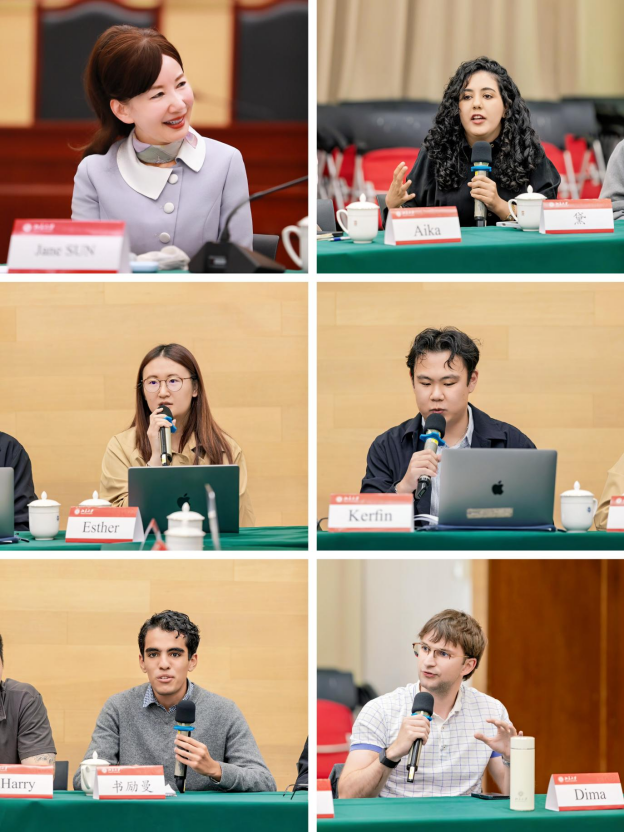
On October 13, 2026, Peking University Law School celebrated the 20th anniversary of its LL.M. Program in Chinese Law in the Moot Court at Koguan Building. One of a series of anniversary events, the ceremony welcomed Jane Sun, a member of the program’s 2008 entering class and Chief Executive Officer of Trip.com Group, back to campus for a discussion of student life, career choices and the program’s development. Dean Guo Li, Vice Dean Dai Xin, Tenured A.P. Jiang Su, Assistant Dean Peng Chun, Director of the Teaching Affairs Office Xu Xiaoying, Zhao Gaoya of the LL.M. Program in Chinese Law Office, and all current students in the program attended. Peng chaired the ceremony.
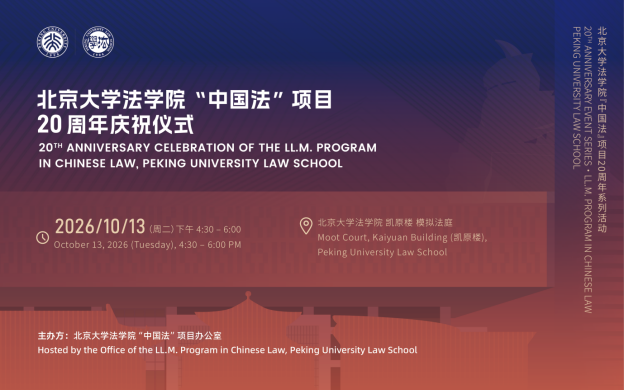
Peng welcomed the guests, faculty and students on behalf of the program and looked back on its first twenty years. Since its founding in 2006, he said, the program has offered students from around the world a rigorous, systematic education in Chinese law and helped people in China and abroad better understand one another’s legal traditions. Over those two decades, it has educated more than 250 students from over 50 countries and regions. Together, they have built an open, diverse international academic community and alumni network whose members learn from one another.
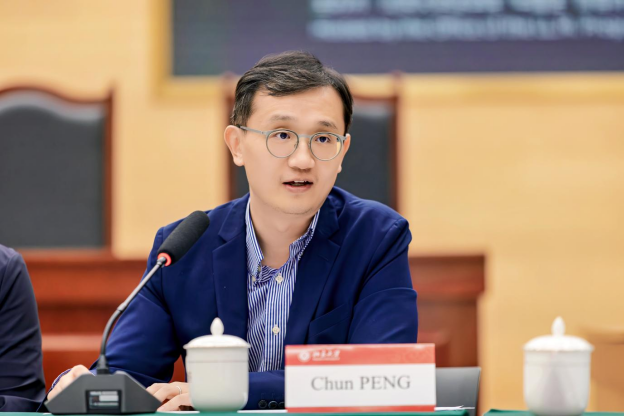
Peng then introduced Sun and spoke about her career and contributions to society. Sun serves as both CEO and a board member of Trip.com Group. She has appeared repeatedly in rankings including Fortune’s 50 Most Powerful Women in Business and Forbes’ World’s Most Powerful Women. She has long supported education for young people, the advancement of women and international cultural exchange.
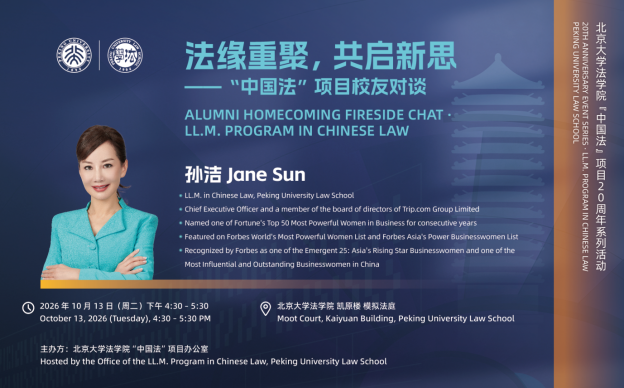
Sun recalled her studies and career in China and abroad. She spoke of the difference her teachers’ support had made in her life and how it had inspired her to establish scholarships for international students so that other young people could benefit from the same kindness. She explained how her outlook on economic growth in Asia and the prospects for tourism had informed her career choices. She encouraged students to make the most of their time at Peking University by exploring courses across disciplines and getting to know their teachers and classmates. Through study and travel, she said, they could come to know China, better understand the world and prepare for what lay ahead.
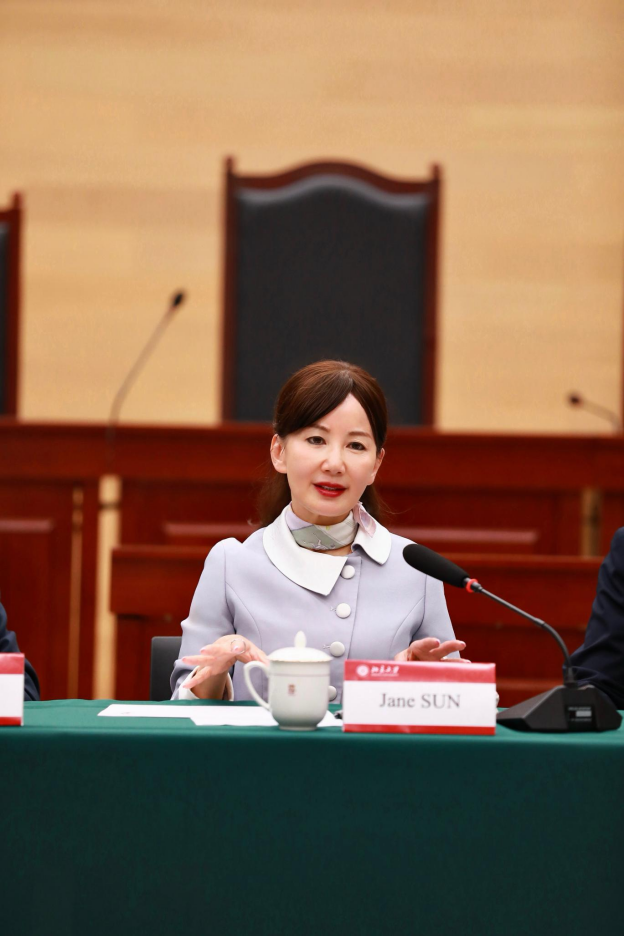
In the question-and-answer session, Sun drew on her experience in management to discuss women’s leadership, cooperation between legal and business teams, and how to respond to the changes that artificial intelligence is bringing to the workplace. Professional competence and results earn respect, she said, and supporting women’s advancement benefits their families and communities as well. Legal professionals need to understand business objectives and build a legal framework that supports them while holding firm on legal limits. Even in the age of artificial intelligence, empathy and the ability to build trust and work with others remain difficult to replace. By paying attention to what customers, employees and partners actually need, businesses can earn trust and build resilience in their day-to-day work. She urged students to act with honesty and integrity and to remain curious, optimistic and resilient.
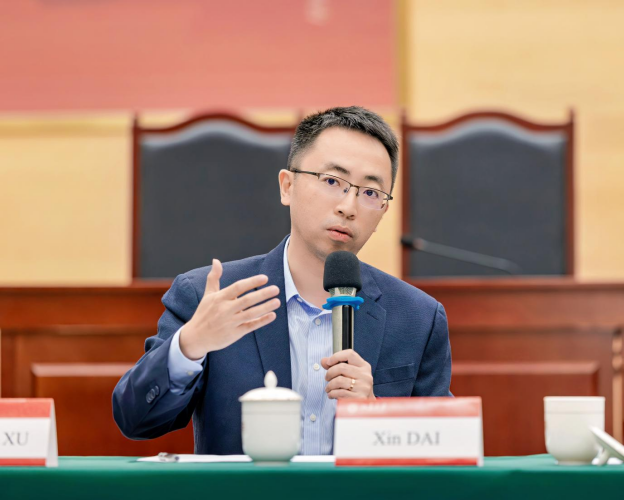
Dai Xin and Jiang Su then spoke on behalf of the program’s faculty. Dai said he was moved by the way Sun had extended to younger generations the care she had received from her teachers. The program brings together students from around the world, and with them ideas and experiences shaped by different cultures. When alumni and current students meet, they can share what they have learned and pass on the support they have received. For Dai, these encounters exemplified the program’s commitment to learning from one another and from earlier generations. He invited Sun to return often to exchange ideas and experiences with faculty and students and to help shape the future of the program and of legal education.
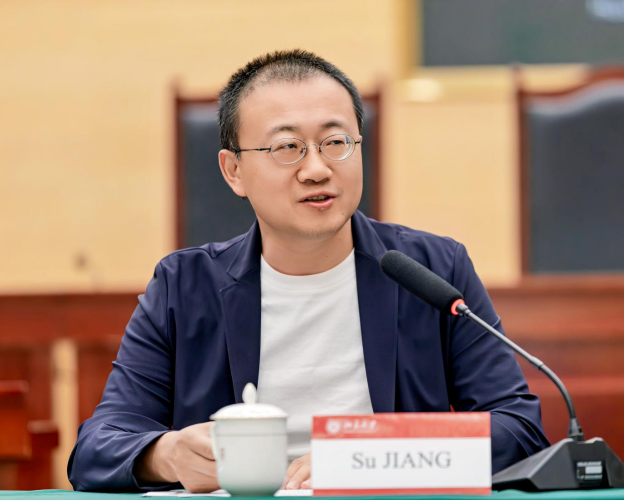
Drawing on his years of teaching, Jiang said that helping people from different legal systems understand one another had been central to the program from the start. As students undertake a systematic study of Chinese law, they bring experiences and insights from their own jurisdictions into the classroom. Teachers and students alike learn from those exchanges. At a time of profound change in international affairs, he said, such understanding was all the more valuable. Seeing faculty and students grow together reminded him why the program had been founded. He thanked his fellow faculty members for their scholarship and the care they devoted to teaching, and the students for their active participation.
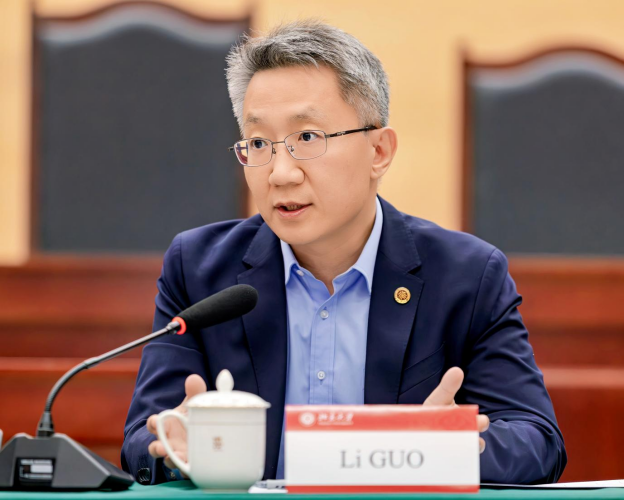
In his closing remarks, Guo warmly welcomed Sun back on behalf of the School. Looking back on the program’s twenty years, he returned to two words: “proud” and “fortunate.” He felt proud and fortunate to have learned alongside students from around the world and especially valued the time they had spent together as teachers and students. He felt the same way about belonging to Peking University and urged students to cherish their own years of study and growth there. Above all, he felt proud and fortunate to live in China today: the program’s twenty-year history both bore witness to China’s development and reflected it in miniature. He looked forward to working with everyone present for a brighter future for the program and for legal education in China.
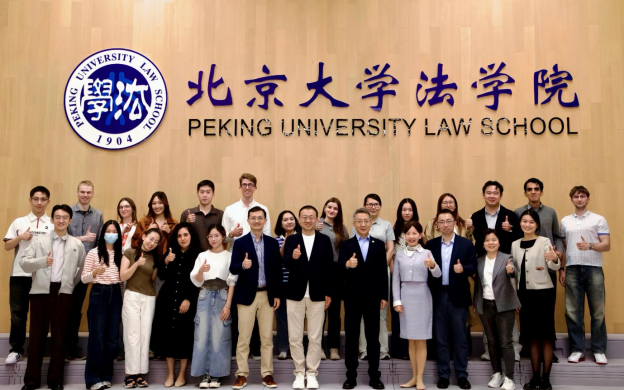
For twenty years, the LL.M. Program in Chinese Law has brought students from different countries and regions together in Peking University classrooms. Studying and discussing Chinese law has helped them understand one another, while friendships among students, faculty and alumni have endured. Through alumni accounts of their own growth and faculty reflections on teaching, the ceremony showed what the program has achieved in educating students and encouraging legal exchange between China and the rest of the world. It also brought faculty, students and alumni together to help shape the program’s future. As the program enters its third decade, Peking University Law School will continue to draw on Chinese legal practice and its strengths in legal scholarship to develop its curriculum, strengthen legal education and expand international exchanges and cooperation with alumni. The School will support more international students in getting to know Chinese society and witnessing its development as they study its legal system. Its aim is to educate legal professionals who know Chinese law, bring an international perspective to their work and communicate across cultures. Through their work, the international community can better understand the rule of law in China, and people from Chinese and other legal traditions can continue to learn from one another.
By the LL.M. Program in Chinese Law Office