



The 59th Lecture of Peking University Law School's“Frontiers in Comparative Law”Course and Comparative Law and Sociology of Law Lecture Series Successfully Held
Date:2025-04-03
On the afternoon of March 28, the 59th lecture in the“Frontiers of Comparative Law”course and the Comparative Law and Sociology of Law Lecture Series at Peking University Law School was held in Room 307, Koguan Building. Dr. Myra Blyth from Regent's Park College, University of Oxford, delivered a lecture titled “Is Litigation a Helpful Mechanism for Combating Climate Change?”The lecture was chaired by Prof. Zhang Qi, Executive Director of the Institute of Comparative Law and Sociology of Law at Peking University Law School. Panel discussions were led by A.P. Peng Chun, Assistant Prof. Wu Kaijie, Che Yushi(Oxford Coordinator for the Peking University-Oxford 2025 Summer Program), and Avani Mishra(Master's student at the University of Oxford).
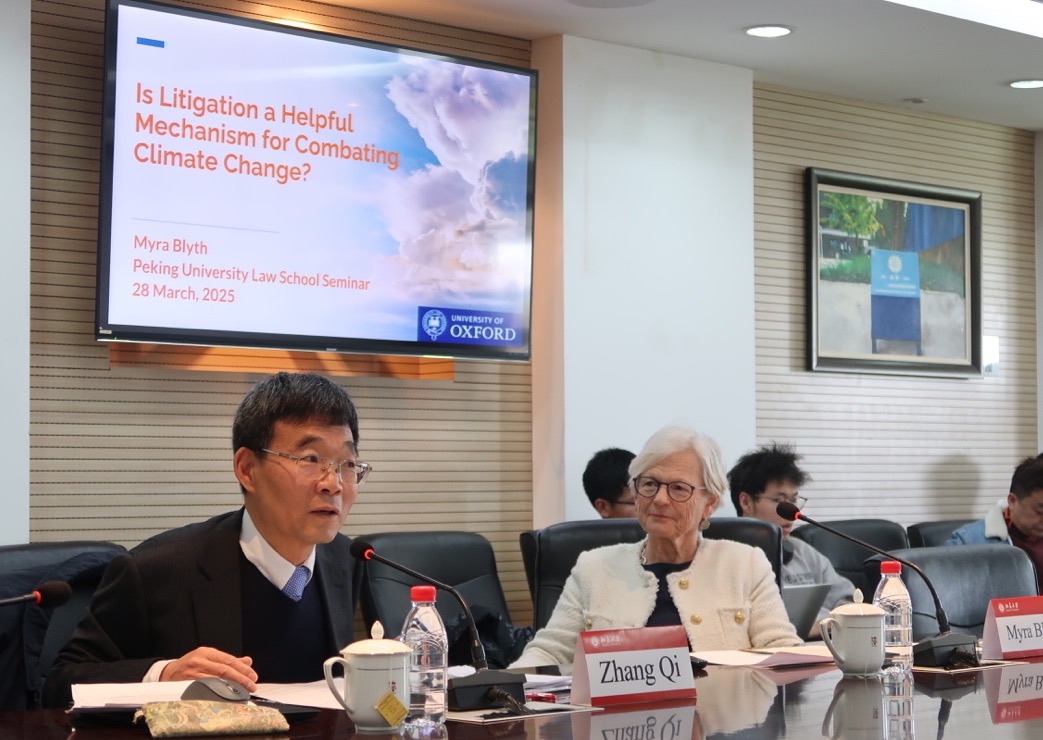
Dr. Blyth's lecture aimed to stimulate discussion on whether legal action—particularly litigation—constitutes an effective(or even the most effective)means of mitigating climate change, rather than providing definitive answers. She began by outlining the climate change challenge and exploring its core ethical dilemmas. In 1968, Garrett Hardin published his seminal essay on the tragedy of the commons. Using a model of herders self-interestedly increasing livestock numbers, he revealed how individual rationality fails to achieve efficiency in public affairs. At that time, a global tragedy unfolded across the commons of the atmosphere, forests, oceans, and other environmental elements, demanding that individuals and corporations transcend self-interest to pursue the common good. Dr. Blyth observed that Eastern cultures, influenced by Confucianism, traditionally emphasize collectivity and harmony. Yet for humanity as a whole, the innate drive for self-interest persisted, presenting three ethical challenges for climate mitigation:First, equitable distribution of benefits and burdens. Large multinational corporations are not the sole responsible parties, nor should small Pacific island nations be treated identically to major economies with high per capita carbon emissions. Second, sustainability emphasizes the finite nature of all things. While humanity once believed natural resource exploitation required no restraint, we must now prioritize respect for resource limitations in our discussions. Third, responsibility entails safeguarding common resources. To foster cooperation, we must strive to prevent deglobalization from becoming the dominant trend.
Second, Dr. Blyth briefly outlined environmental legal principles relevant to these ethical challenges. These included:Prevention, Precaution, Polluter Pays, Sustainable Development, Public Participation and Access to Information, and Equity and Common but Differentiated Responsibilities(CBDR). The Paris Agreement stood as a crucial legal instrument for mitigating climate change, balancing flexibility with enforceability:Member States determined their own contributions autonomously, yet once commitments were made, nations bore responsibility and underwent oversight.
Subsequently, Dr. Blyth used the RoseBank Project—a large offshore oil and gas field development plan in the UK North Sea—to guide participants in considering the relationship between litigation and climate change. In 2023, the UK government issued drilling permits for the RoseBank field, sparking controversy. Supporters argued the permits would help secure UK energy supplies, while opponents pointed out the government had violated international emission reduction commitments. In February that year, while the court ruled in favor of opponents citing deficiencies in the project's Environmental Impact Assessment, it explicitly stated this decision was not based on considerations under the Paris Agreement. This outcome proved disappointing—especially given the precedent set in the Netherlands, where environmental groups successfully sued Shell on behalf of citizens, leading the court to order the company to comply with the Paris Agreement. Dr. Blyth expressed hope for further discussion during the 2025 Oxford-Peking University Sino-British Student Workshop on“Responsive Regulatory Practices for Climate Change, ”concluding her speech with an open-ended question:“What motivated you to apply your legal expertise to address environmental challenges?”
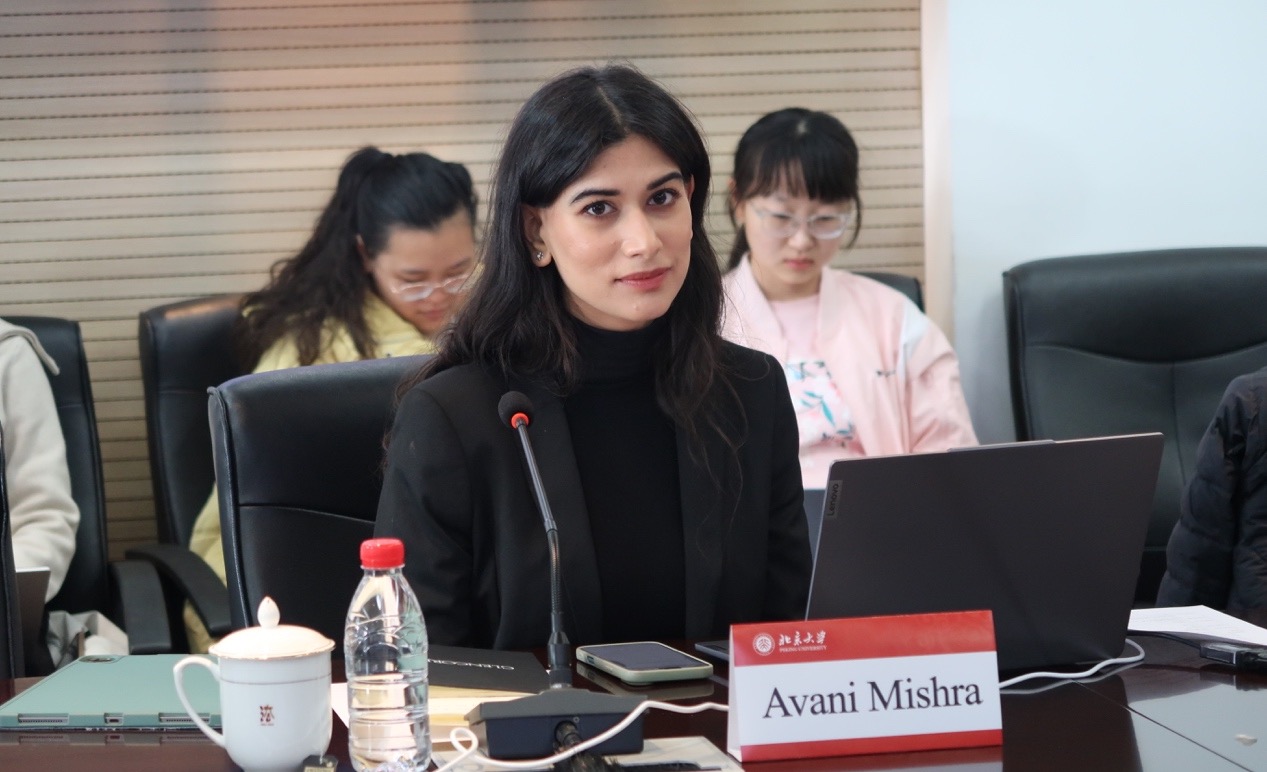
Avani Mishra, also from the University of Oxford, shared her motivation for focusing on environmental law. The traditional Indian dance she learned as a child emphasized respect for nature, and her parents had experienced a severe industrial disaster in India in 1984. In that disaster, a foreign-owned company cut corners to save costs, leading to a toxic gas leak that ultimately killed 15, 000 people and left many others with lifelong negative health impacts. These experiences guided her toward environmental advocacy and litigation as a solution. She previously sued a pen manufacturer in Indian courts to hold it accountable for plastic waste disposal. She recognized that litigation served as a crucial tool for climate mitigation by filling gaps in parliamentary legislation. The international landscape was even more complex, demanding that law students paid attention and explored their role in combating climate change.
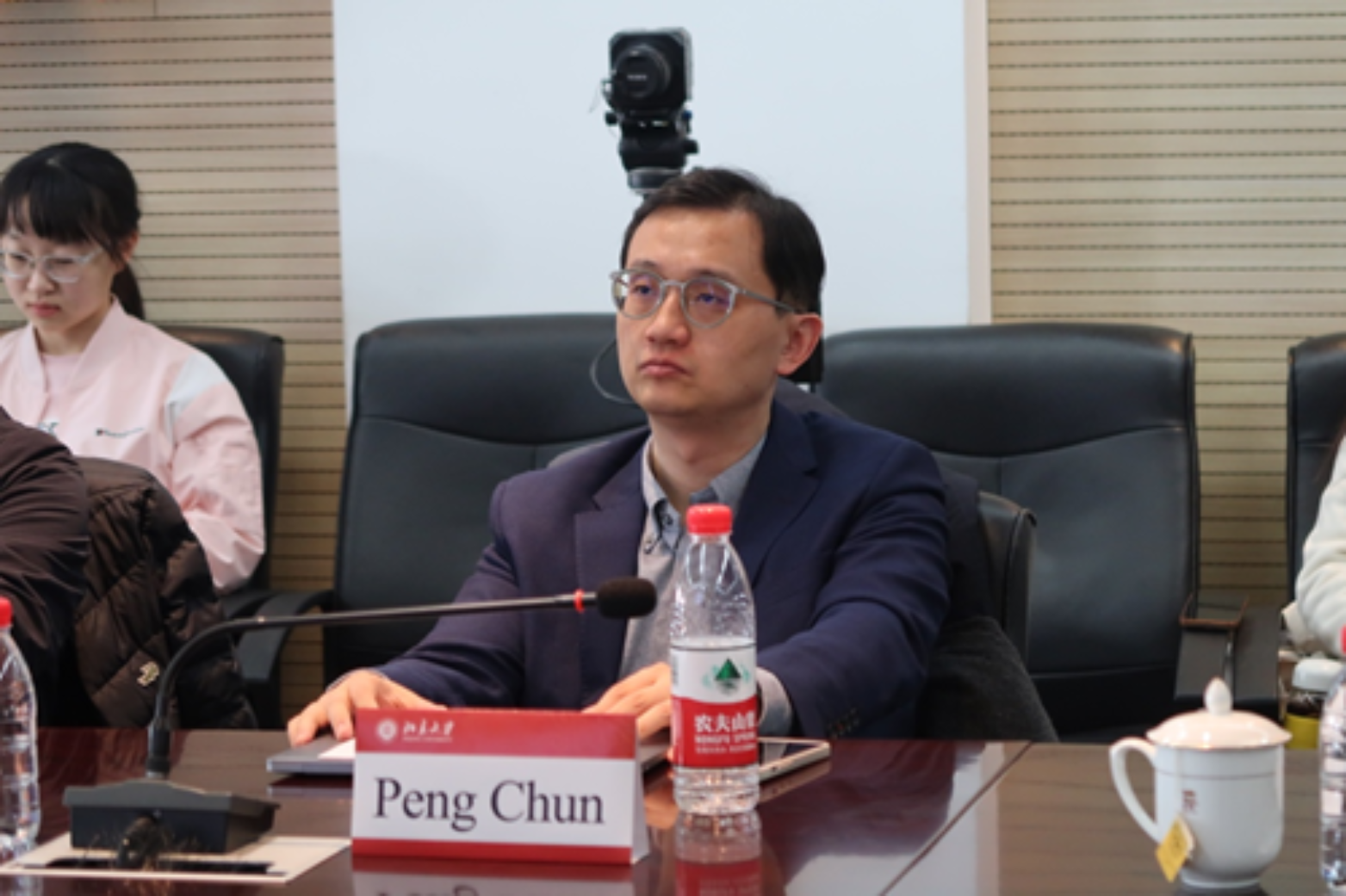
During the discussion session, Prof. Peng Chun addressed the ethical issues underlying climate change mitigation. On one hand, different nations may bear varying responsibilities within the current generation. On the other hand, enacting legislation for future generations before their birth may encounter traditional legal obstacles. Subsequently, he shared his reflections on pursuing legal action to combat climate change.
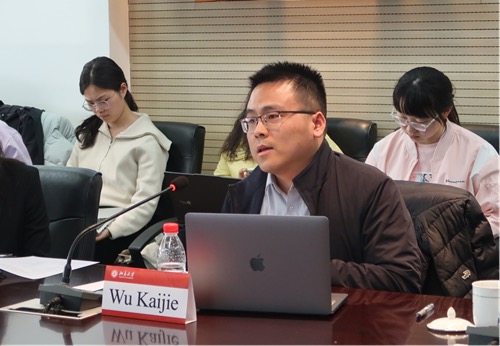
Assistant Prof. Wu Kaijie believed that litigation played a crucial role in addressing climate change, but caution must be exercised regarding the judicial branch's role in environmental governance. Priority should be given to legislative and administrative regulations in tackling climate change. To this end, comparative analysis is needed to select among different litigation pathways such as human rights lawsuits, tort actions, and public interest litigation. Among these, public interest litigation represented a vital avenue for future climate litigation in China. He emphasized that addressing climate change is a global environmental challenge where no one can remain unaffected. It requires universal participation and collaborative exploration of solutions with international scholars and students. Moreover, tackling climate change is not solely the domain of environmental law but presents a shared opportunity and challenge for all legal disciplines, including constitutional law, administrative law, civil law, criminal law, procedural law, and international law.
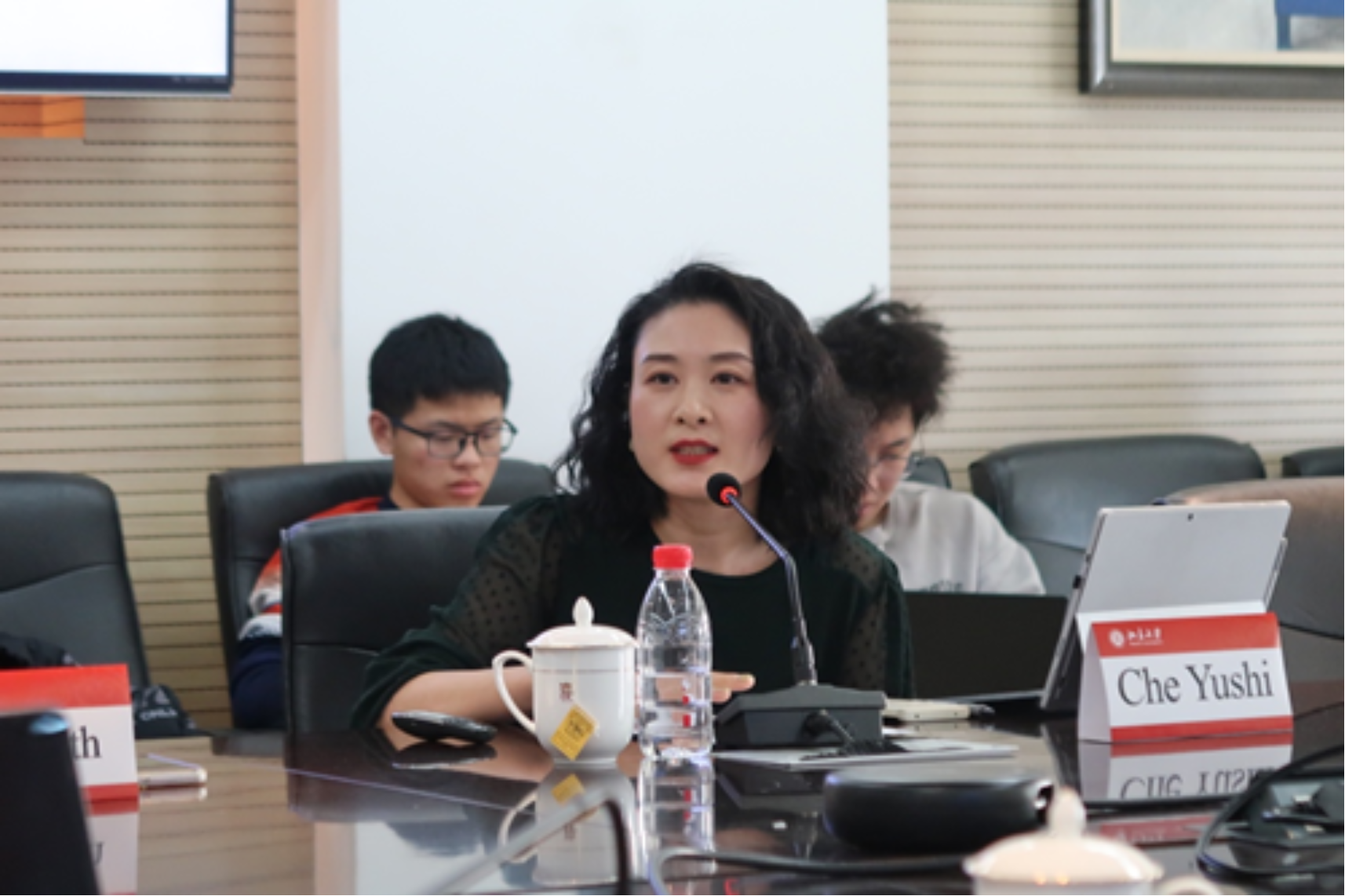
Following in-depth discussions among faculty and students on topics including climate change litigation and legal regulation of international environmental issues amid shifting global dynamics, Prof. Zhang Qi provided a concise summary of the lecture content and related discussions. He noted that Dr. Blyth's presentation and subsequent dialogue highlighted how mitigating climate change transcends the boundaries of any single academic discipline. Finally, Ms. Che Yushi introduced the 2025 Oxford-Peking University Summer Program for Chinese and British Students on“Responsive Regulatory Practices for Climate Change. ”
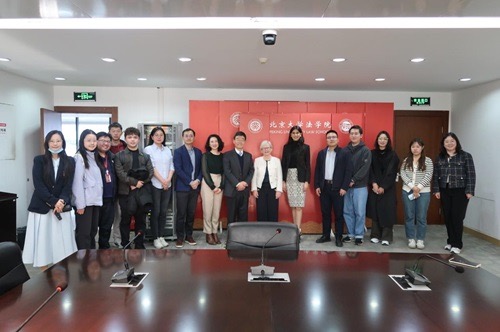
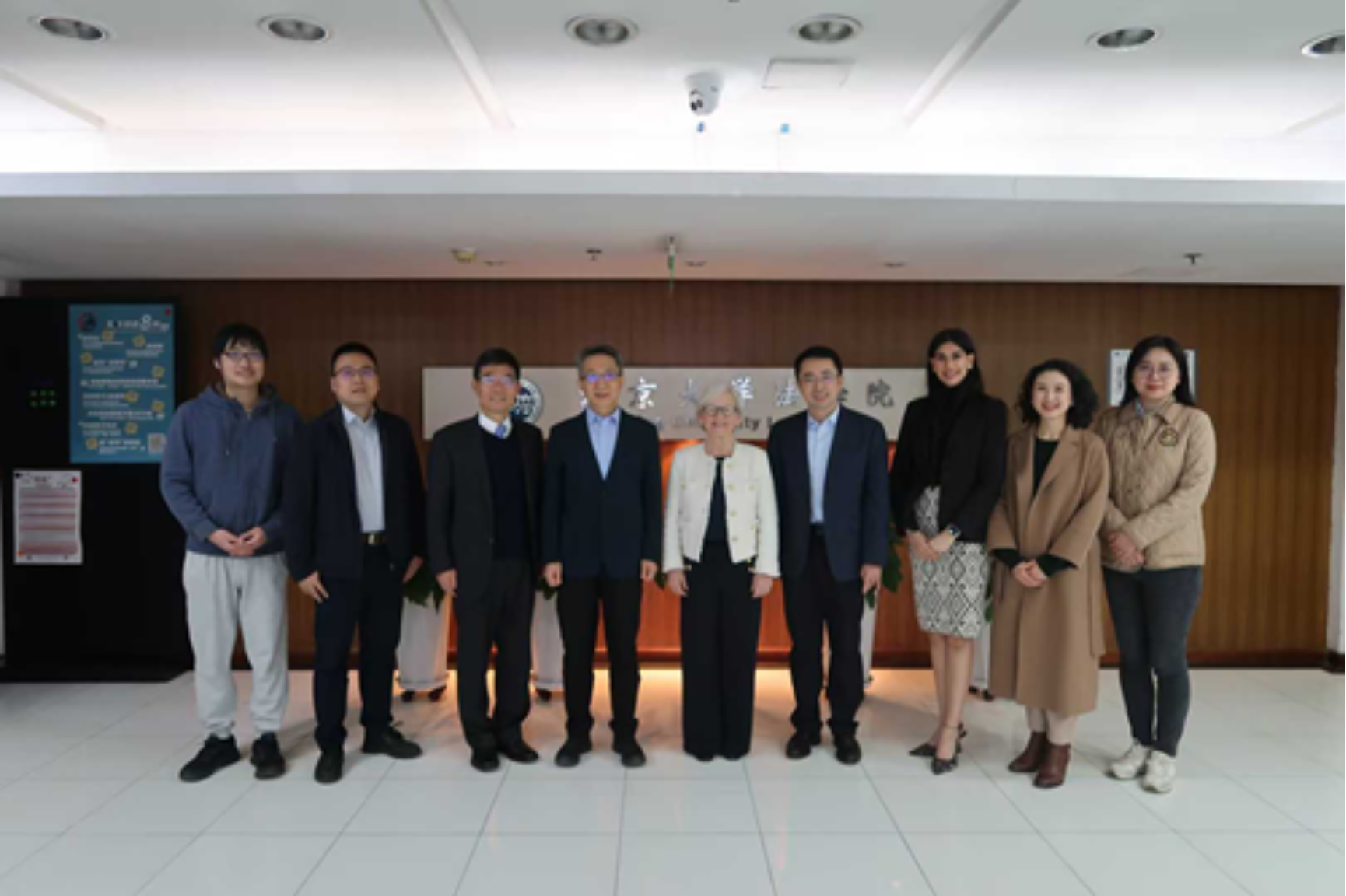
Following the lecture, Prof. Guo Li, Dean of the Law School, and Prof. Dai Xin, Vice Dean, cordially met with Dr. Myra Blyth, Ms. Che Yushi, and Ms. Avani Mishra for a friendly discussion. All parties expressed their shared anticipation for further collaboration in the future.
Translated by: Ling Xiaoping
Edited by: Yin Dongyong