



2026 Peking University–University of Hong Kong Annual Conference on Legal Studies Successfully Held
Date:2026-11-13
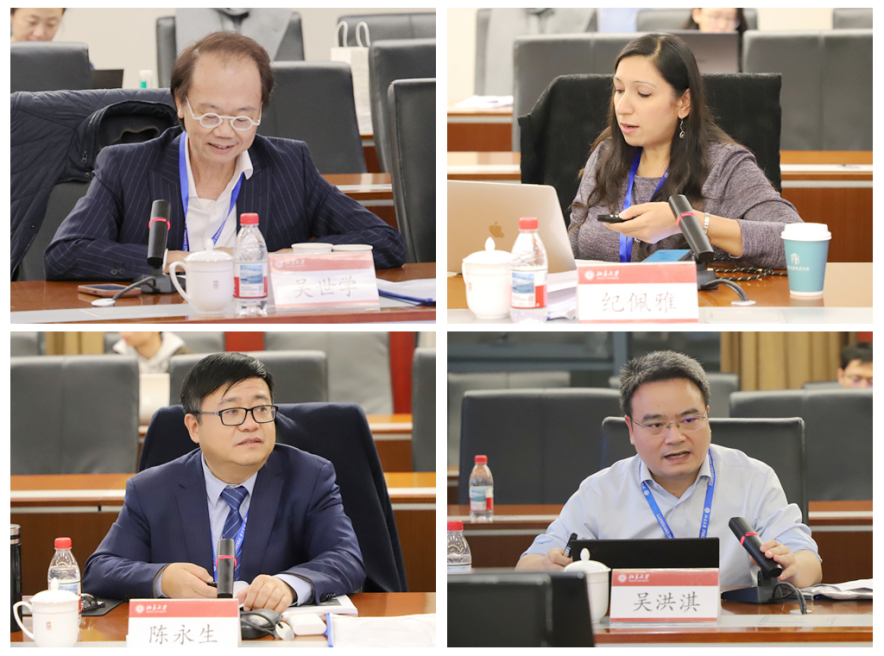
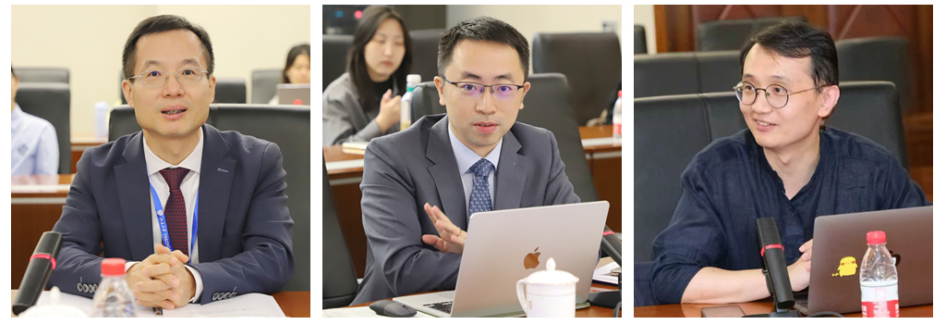
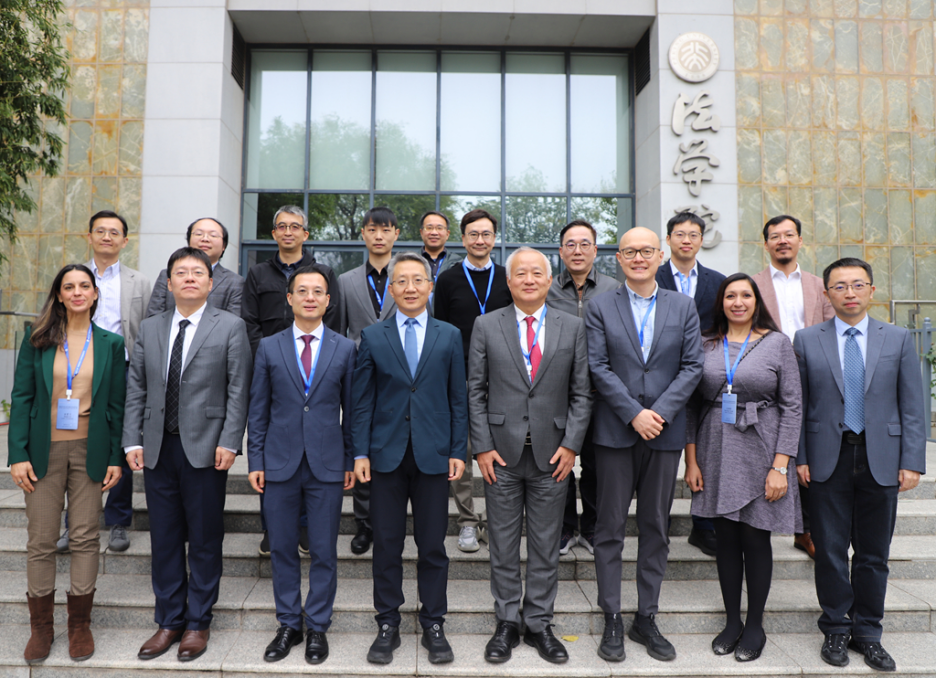
On October 24, 2026, the Peking University–University of Hong Kong Annual Conference on Legal Studies was successfully held at Peking University Law School (PKULS). This year’s theme was “Foreign-Related Rule of Law and Global Governance.” Participants from the Faculty of Law, The University of Hong Kong (HKU), included Dean Hualing Fu; Vice Deans Yun Zhao and Sida Liu; and faculty representatives S H Goo, Thomas Cheng, Shahla Ali, Felix Chan, Puja Kapai Paryani, James Si Zeng and Taorui Guan, among others. Participants from PKULS included Dean Guo Li; Vice Deans Che Hao and Dai Xin; and faculty representatives Chen Yifeng, Chen Yongsheng, Li Honghai, Ling Bin, Lou Jianbo, Peng Chun, Wu Hongqi and Zou Xingguang, among others. Che Hao chaired the opening ceremony.
In his opening remarks, Guo Li outlined the background to this year’s theme, “Foreign-Related Rule of Law and Global Governance,” and reflected on more than two decades of friendship and cooperation between the two law schools. He noted that their continuing dual-degree programmes and research collaboration across multiple fields had forged strong ties that fostered mutual trust and deeper exchanges. Hualing Fu thanked PKULS for its thoughtful arrangements for the conference. Noting the substantial achievements of cooperation over more than twenty years, he expressed the hope that the distinctive diversity of HKU’s law faculty would contribute even more to this conference and to future cooperation and exchanges.
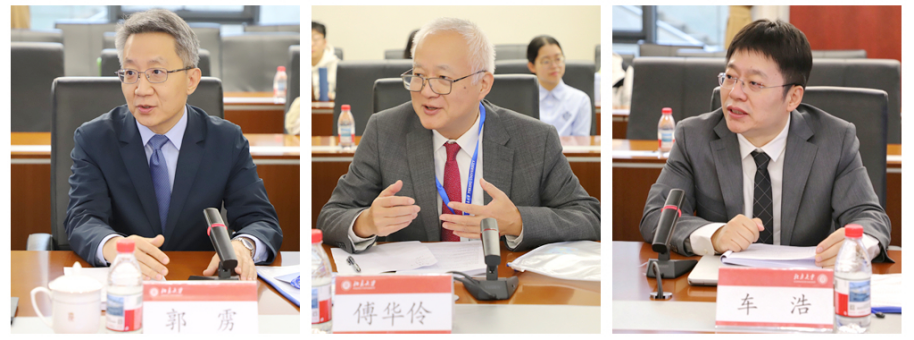
The conference comprised four discussion sessions.
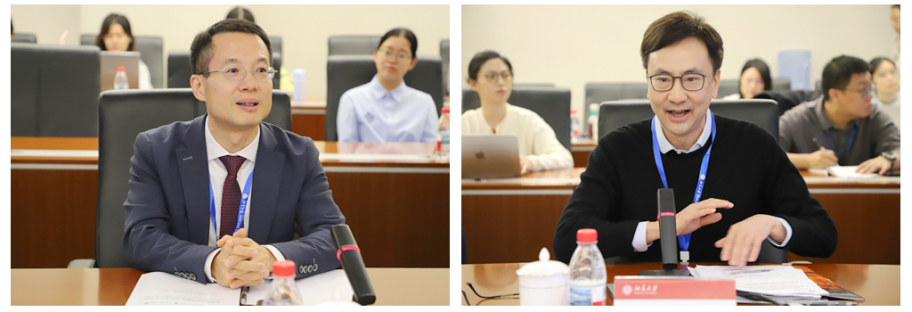
The first session was chaired by Yun Zhao. Felix Chan began by examining the nationality of ships following deregistration, drawing on a tanker incident involving a Hong Kong company. Li Honghai then outlined the basic meaning of “foreign-related rule of law” and existing understandings of the concept in the Chinese mainland. He argued that studying the laws of other jurisdictions was fundamental to taking the initiative in international engagement, and that understanding those laws from a local perspective was essential to developing effective responses. Shahla Ali presented her research on dispute prevention in global infrastructure projects, noting that early due diligence, stronger community engagement and benefit-sharing could reduce disputes. Finally, Chen Yifeng reviewed China’s development of foreign-related rule of law with reference to practices in United States foreign relations law. He proposed that this development should adhere to three principles: necessity, proportionality and restraint.
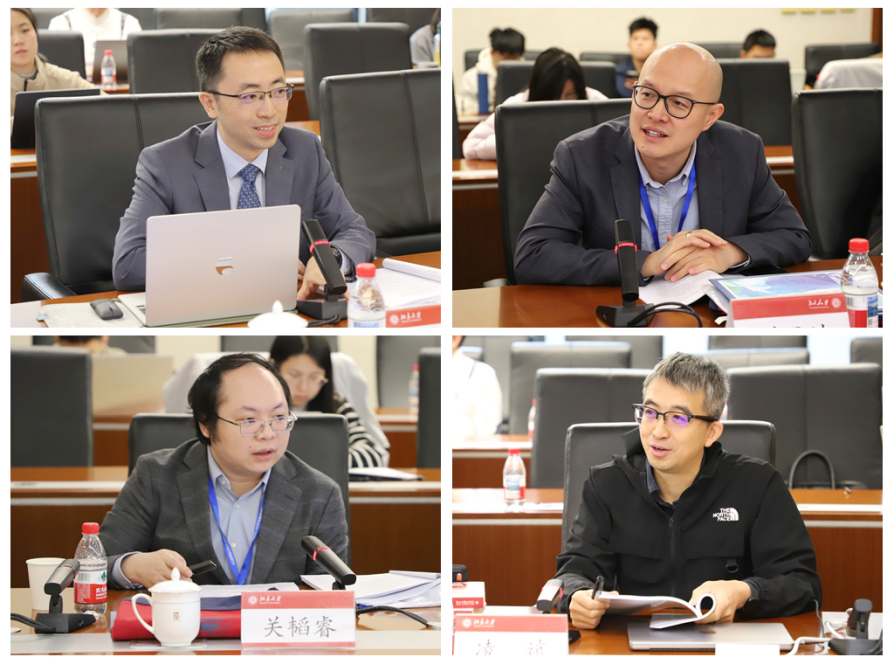
The second session was chaired by Dai Xin. Drawing on interviews with 103 young lawyers across China, Sida Liu analysed the difficulties they faced in sustaining their careers and the causes of those difficulties. He proposed measures including managing the pace of growth in the legal profession and expanding legal aid. Taorui Guan then addressed the loss of clients’ prior investments when AI service providers discontinue older models. He argued that providers should bear a duty to retire models in an orderly manner so as to protect clients’ existing investments. Finally, Ling Bin presented findings from a study assessing the judicial capabilities of large language models. The study found that even the best-performing models currently had an extremely low success rate in completing the entire judicial process, and that models designed specifically for legal applications performed less well overall than general-purpose foundation models.
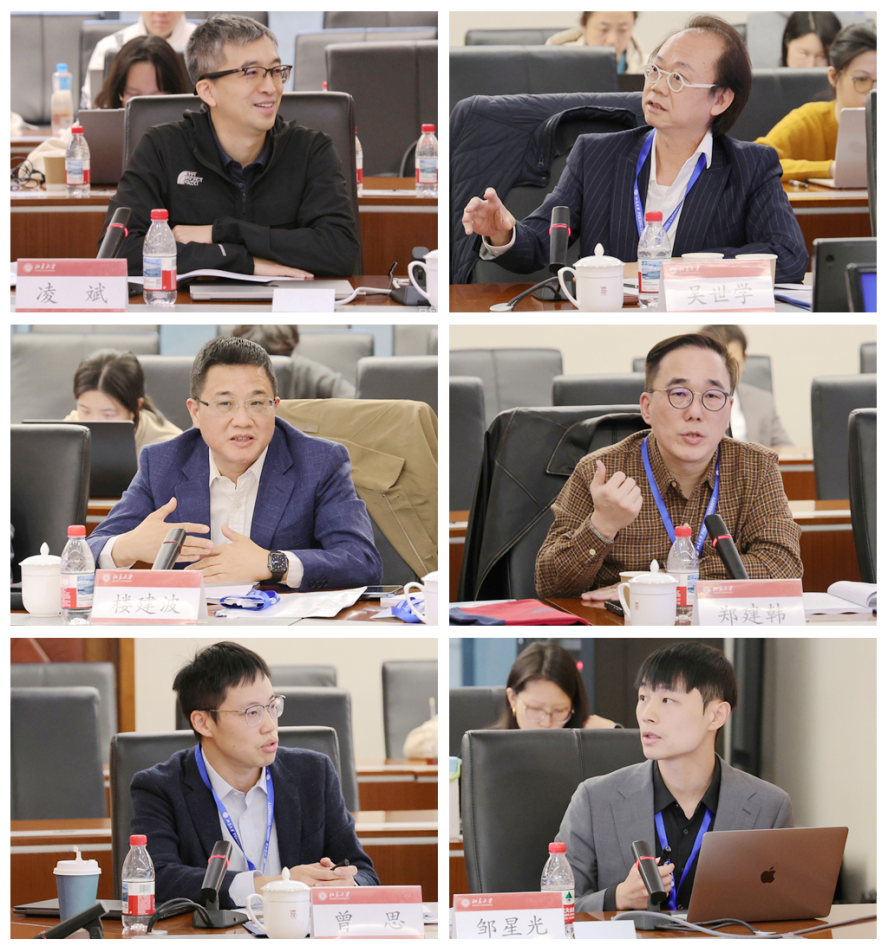
The third session was chaired by Ling Bin. S H Goo first shared his research on introducing stakeholder boards into Chinese state-owned enterprises. He analysed Western models of board operation and explored the prospects for incorporating stakeholder arrangements into the Party committee mechanisms of Chinese state-owned enterprises. Lou Jianbo then addressed “The Challenges of Modern Asset Tokenisation for Property Law and Possible Responses.” He noted the limitations of blockchain technology in providing public notice of rights, making the determination of rights in off-chain assets and information disclosure even more critical. He suggested that the new property law issues arising from tokenisation could be addressed by promoting mutual adaptation between law and technology. Thomas Cheng discussed algorithmic predation and consumer responses, highlighting the fundamental challenges that algorithmic personalised pricing posed to traditional competition law analysis. In a presentation entitled “Private Enforcement of Securities Law and the Problem of Circular Compensation,” James Si Zeng drew on China’s experience to examine the problem of “locked-in shareholders” during institutional transitions. Finally, Zou Xingguang offered new perspectives on regulatory approaches to, and the construction of a framework for, guaranteed repayment in financial products, drawing on a global perspective.
The fourth session was chaired by S H Goo. In her presentation, “Rethinking the Rule of Law in an Unequal World,” Puja Kapai Paryani began with equality under the Basic Law and access to justice. Drawing on the capability approach and transformative equality theory, she identified historical, structural and cognitive blind spots in formal equality. Supported by case studies and data from Hong Kong, China, she argued that greater diversity in the legal profession could enhance the interpretive capacity of institutions and provide an important foundation for the rule of law and access to justice. Chen Yongsheng then reviewed the growing predominance of minor offences in China’s crime profile and advocated further improvements to a dual-track sanctions system. Finally, Wu Hongqi examined “The Imbalance between Prosecution and Defence in Criminal Justice in the Digital Age.” He noted that big data evidence could expand the prosecution’s evidence-gathering powers while weakening the rights of the defence, and called for broader defence rights to disclosure and safeguards for the right to challenge evidence.
The closing ceremony was chaired by Assistant Dean Peng Chun. Speaking on behalf of the HKU Faculty of Law, Yun Zhao reflected on twenty-seven years of cooperation through the annual conference, thanked his PKULS colleagues for their dedicated preparations and looked forward to meeting again at HKU the following year. Dai Xin delivered closing remarks on behalf of PKULS. He thanked his HKU colleagues for travelling to Beijing, emphasised the value of substantive academic exchanges between the two law schools, and expressed the hope that deeper cooperation would generate further high-quality scholarship.
Appendix: About the Peking University–University of Hong Kong Annual Conference on Legal Studies
Peking University Law School and the Faculty of Law, The University of Hong Kong have a long-standing and close partnership. In December 1998, Prof. Albert Hung-yee Chen, then Dean of the HKU Faculty of Law, and Prof. Wu Zhipan, then Dean of PKULS, led the establishment of the Peking University–University of Hong Kong Centre for Legal Studies at HKU. Since 1999, the two law schools have taken turns hosting the Peking University–University of Hong Kong Annual Conference on Legal Studies, which has now been held successfully for more than twenty years. Grounded in legal scholarship and attentive to economic development and social progress, the conference provides a regular platform for academic exchange between the two universities and plays an important role in promoting their cooperation.